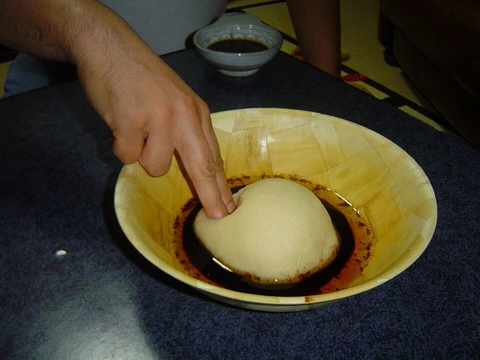
Bsisa
A North African powder of roasted barley and legumes.

אביעד • שיחה · Public domain
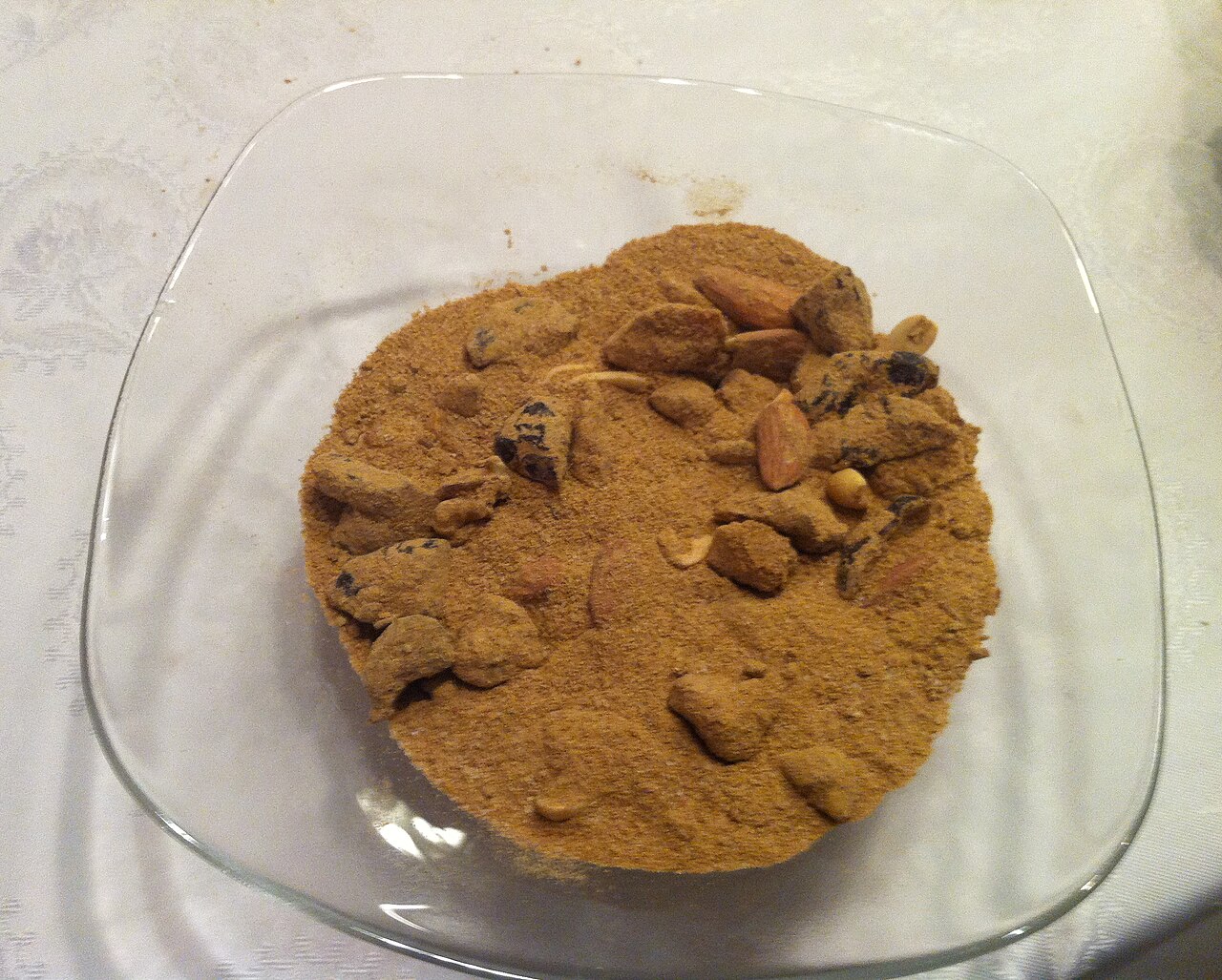
Bsisa (also called bsissa, or aḍemmin in Berber) is a North African staple made from roasted barley and legumes ground into a fine powder. It can be eaten as a paste or mixed with liquid to make a drink. Its origins trace back to Pharaonic times, and it was a common travel food for nomads and traders because it is nutritious and lightweight in its dry, powdered form.
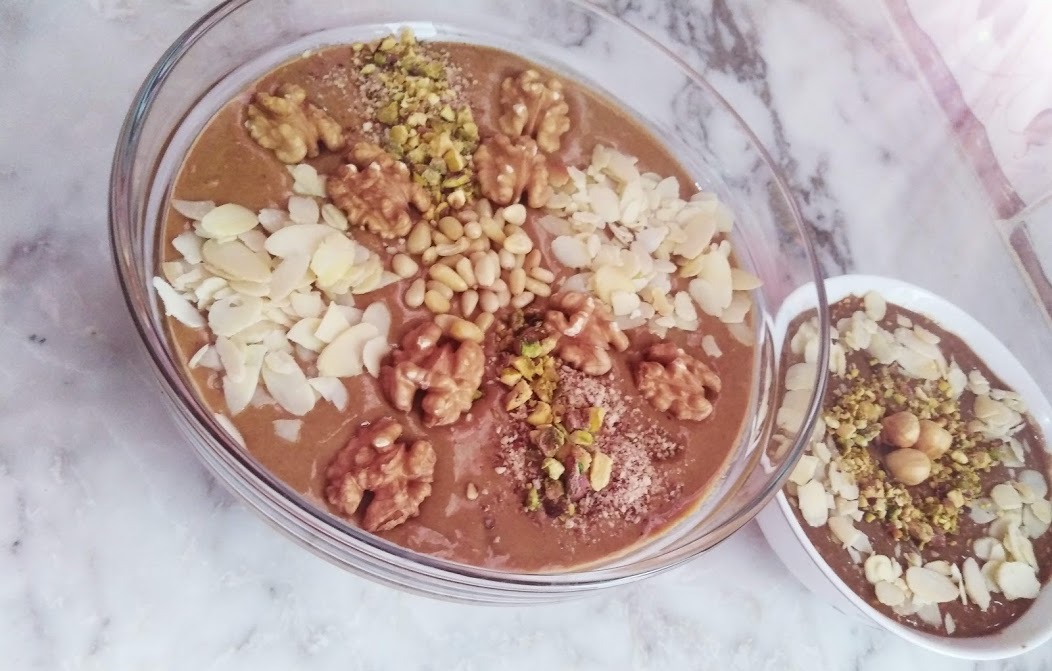
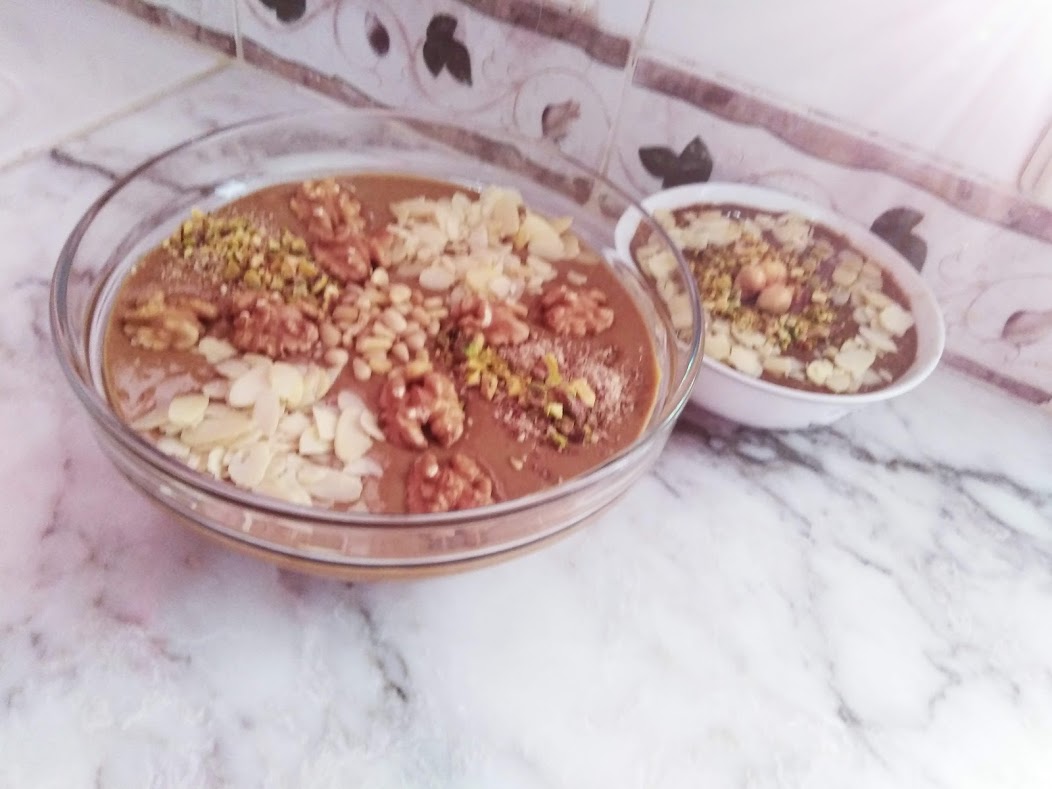
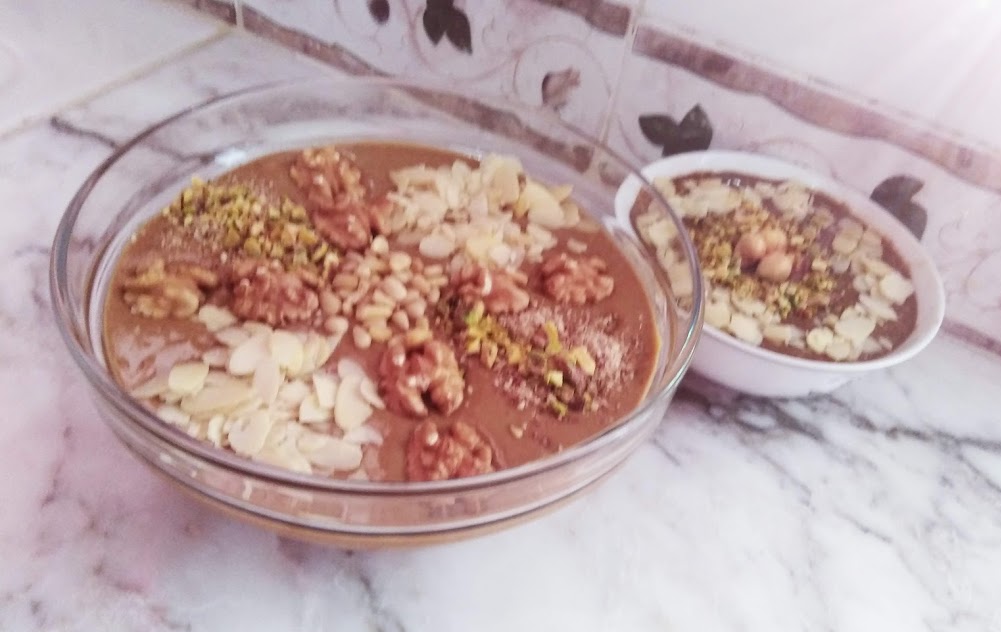
The basic mixture consists of roasted cereals ground with sugar and various spices, though the specific herbs and spices can change. When stirred into milk or water, it becomes a thick, floury beverage known as rowina. In Palestinian cuisine, a different version uses carob juice, olive oil, wheat flour, and nuts.
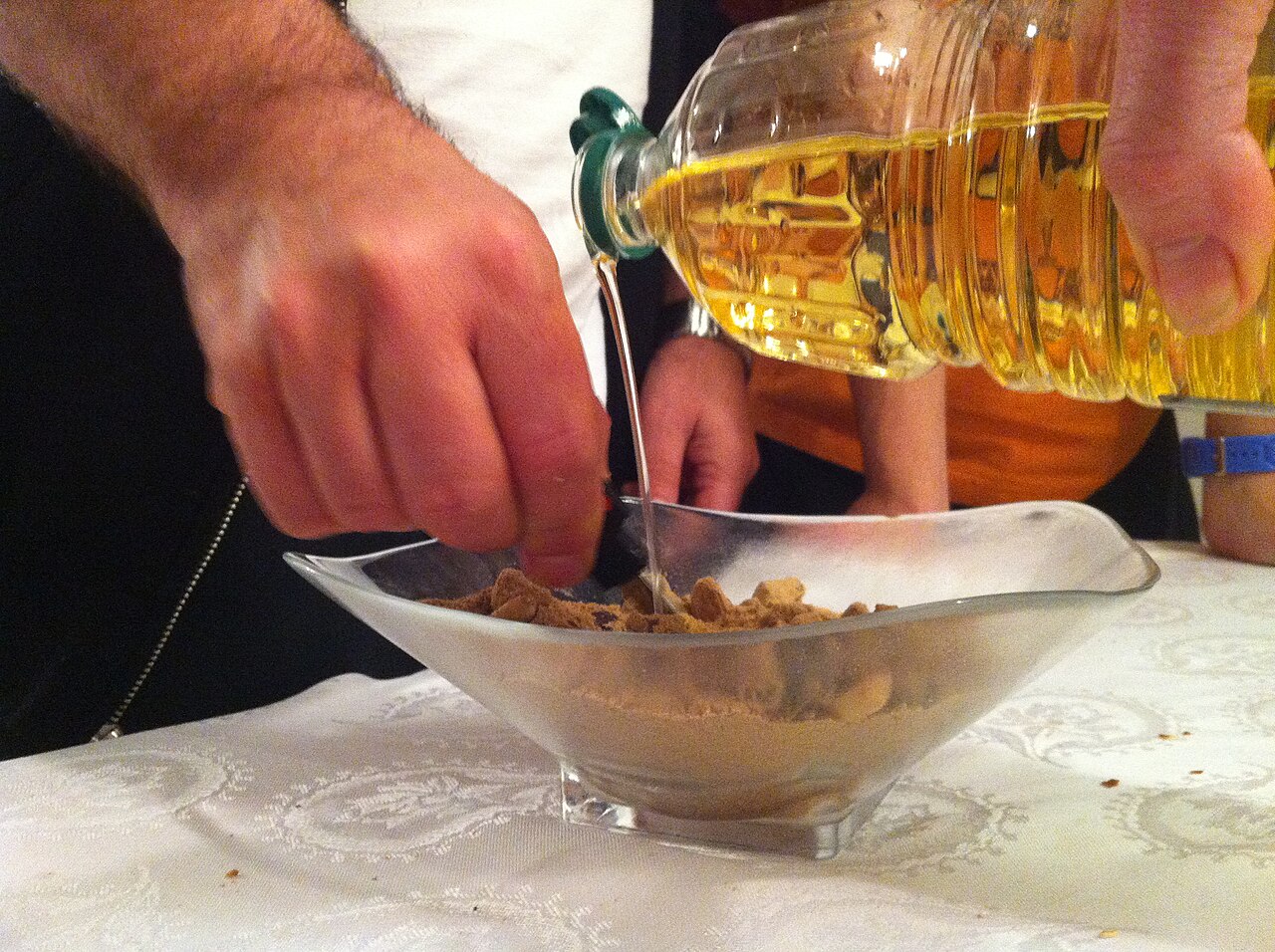
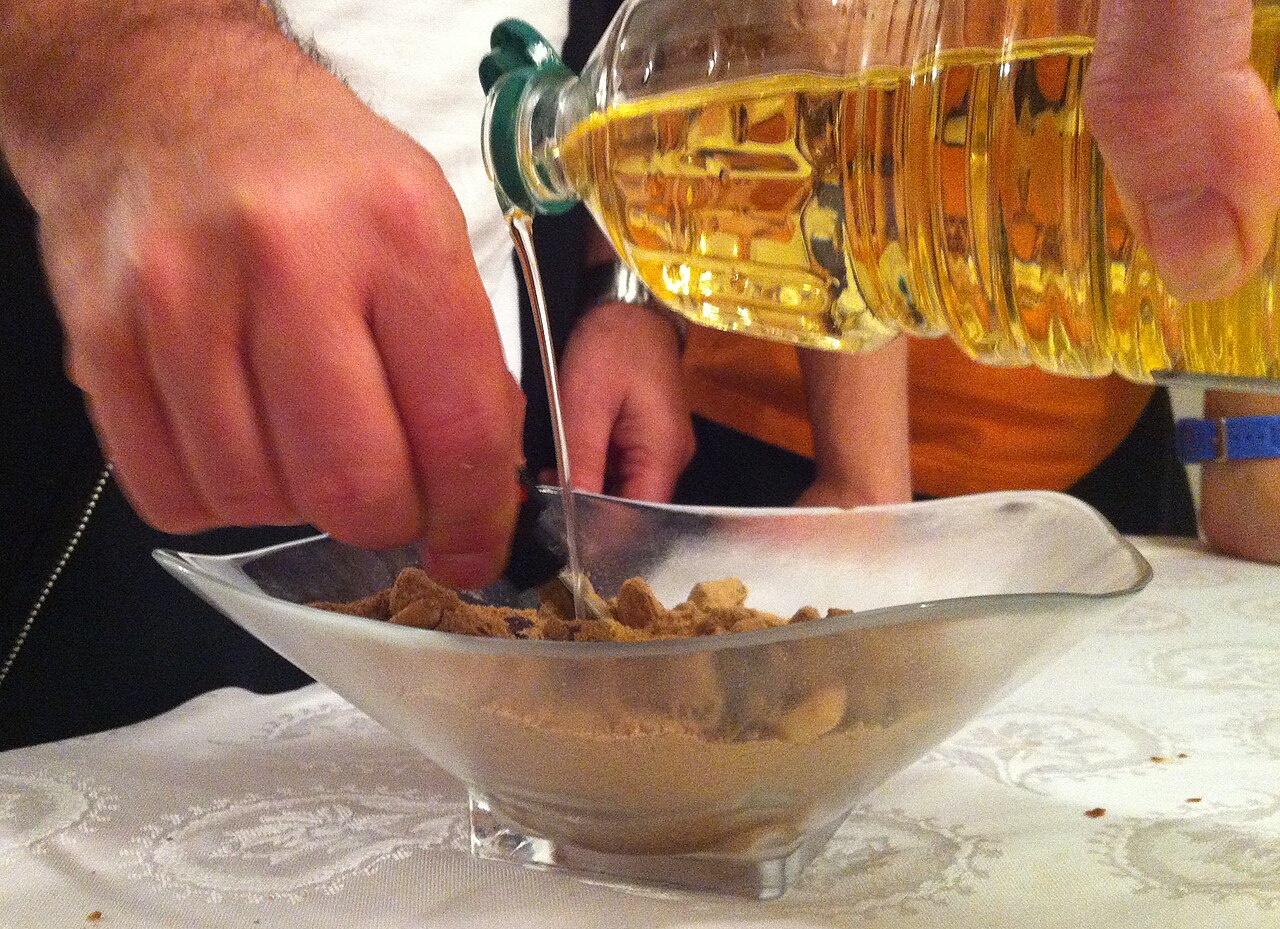
In Tunisia and Libya, both Muslims and Jews eat bsisa on special occasions. For Jews, it is particularly associated with the first day of the Hebrew month of Nisan, marking the day the Mishkan (tabernacle) was erected; in this context it is called bsiset el-marquma or simply bsisa. The powder, made from wheat and barley, represents the mortar used in building the Mishkan. During the preparation, the mother places her gold ring into the mixture, recalling the gold used in the Mishkan. Before eating, the father mixes the bsisa with oil using his house key—symbolizing the oil used in the Mishkan and the "opening" of the new year—and recites a blessing in Arabic, with the family responding in turn: "Ya fetach, Bla Neftach, Arzekna warzek menna, Ya atai, Bla mena!"
- type
- Food preparation
- origin
- North Africa (Tunisia, Libya)
- main_ingredients
- Roasted barley, legumes, spices, sugar
- also_known_as
- Bsissa, aḍemmin
- historical_use
- Travellers' and nomads' food
- associated_cuisines
- Tunisian, Libyan, Palestinian, Sephardic Jewish
Lore & Background
Bsisa is a variety of mixtures of roasted cereals ground with various spices and sugar. The herbs and spices added can vary, and the mixtures can also be used as a liquid when added to milk or water, creating a strongly floured drink called rowina. In Palestinian cuisine, bsisa is made with carob juice, olive oil, wheat flour, and nuts.
Reader's Guide
Bsisa holds cultural and religious significance for Tunisian and Libyan Muslims and Jews, who eat it on various occasions. Jews consume it especially on the first day of the Hebrew month of Nisan, as this is the day the Mishkan (tabernacle) was erected; in this case, the food is named bsiset el-marquma or simply bsisa. The powder consists of wheat and barley, representing the mortar used to build the Mishkan. The mother of the household puts her gold ring into the bsisa, recalling the gold used in the building of the Mishkan. Before eating, the father blesses in Arabic while mixing the bsisa with oil using the key to his house, recalling the oil used in the Mishkan, symbolizing the 'opening' of the new year. The father and family recite in turn: 'Ya fetach, Bla Neftach, Arzekna warzek menna Ya atai, Bla mena!'
Did You Know?
- Bsisa dates back to Pharos times.
- It can be prepared as a paste or a drink called rowina when mixed with milk or water.
- In Palestinian cuisine, bsisa is made with carob juice, olive oil, wheat flour, and nuts.
- Jews consume bsisa on the first day of the Hebrew month of Nisan to commemorate the erection of the Mishkan.
Ancient Roots & the Nomad's Companion
Bsisa, known in Arabic as بسيسة and in Berber as aḍemmin, is a fine powder derived from roasted barley and legumes that has anchored North African culinary life since the era of Pharos. What makes its history especially remarkable is its role as a practical sustenance for people perpetually on the move. Travellers and nomadic communities carried bsisa along their routes precisely because it paired dense nutritional value with remarkable portability — once ground into its characteristic powder, it could be packed compactly and consumed without elaborate preparation. This dual quality of being both nourishing and travel-friendly granted the food a longevity that outlasted many other regional staples. Its presence across two linguistic traditions (Arabic and Berber) and its continued relevance in modern households testify to how deeply it is woven into the cultural fabric of the region. Far from being a mere snack, bsisa represents a food born from the practical needs of people who traversed vast landscapes and required reliable, compact nutrition.
Ingredients & the Art of Preparation
At its core, bsisa is a versatile blend of roasted cereals — primarily barley and legumes — ground into a fine powder and combined with an assortment of spices and sugar. The specific herbs and spices incorporated into any given batch can shift from household to household and region to region, lending the mixture a degree of personal and local character. Beyond its use as a dry powder or a spreadable paste, bsisa takes on a liquid form when stirred into milk or water, yielding a thick, flour-heavy beverage called rowina. This adaptability — from a dry, portable powder to a rich, drinkable preparation — is what has allowed the food to occupy so many different roles in daily life and ceremonial practice. The roasted quality of the base grains lends a toasty depth, while the sugar and spices add layers of sweetness and warmth. Whether prepared as a simple paste for dipping or whisked into a comforting drink, the fundamental technique remains the same: roasting, grinding, and blending to create a nourishing, aromatic mixture that has sustained North African communities for centuries.
Regional Expressions & Cross-Cultural Parallels
While bsisa is most closely associated with Tunisian and Libyan kitchens, its influence extends well beyond those borders. In Palestinian cuisine, the preparation takes on a distinctly different character: the mixture is combined with carob juice, olive oil, wheat flour, and nuts, creating a richer, more complex preparation that reflects the local pantry. The food's reach spans multiple culinary traditions — Arab cuisine broadly, the specific cuisines of Tunisia and Libya, and the Sephardic Jewish culinary heritage — demonstrating that bsisa is not confined to a single ethnic or religious community. Interestingly, the food draws a parallel to tsampa, a Tibetan staple made from roasted barley flour, suggesting that the impulse to roast, grind, and carry a cereal-based powder as a portable staple is a near-universal human solution to the problem of sustaining long journeys. This cross-cultural resonance underscores that bsisa's ingredients and preparation method tap into something fundamental about how humans have historically transformed simple grains into dependable, travel-ready nutrition.
Sacred Rituals & the Nisan Ceremony
Perhaps the most deeply symbolic dimension of bsisa emerges in the Jewish communities of Tunisia and Libya, where it is prepared and consumed on the first day of the Hebrew month of Nisan — the anniversary of the Mishkan (tabernacle) being erected. On this occasion, the food is called bsiset el-marquma, and its wheat-and-barley composition is understood to represent the mortar used in constructing the Mishkan. The ritual is rich with layered symbolism: the mother of the household places her gold ring into the bsisa, evoking the gold that went into the tabernacle's construction. Before the family eats, the father recites a blessing in Arabic while mixing the bsisa with oil, using the key to his house as the stirring implement — a gesture that recalls the oil used in the Mishkan and marks what is understood as the 'opening' of the new year. The family then recites together: 'Ya fetach, Bla Neftach, Arzekna warzek menna, Ya atai, Bla mena!' This sequence of gestures, words, and symbolic ingredients transforms a simple roasted grain powder into a multisensory act of remembrance and hope.
Gallery
Frequently Asked Questions
What exactly is Bsisa?
Bsisa is a traditional North African food preparation made by roasting barley and legumes, then grinding them into a fine, dry powder. It is a staple of Libyan and broader Maghrebi cuisine, with roots stretching back to Pharaonic-era Egypt.
What goes into making Bsisa?
The core mixture combines roasted cereals (primarily barley) with legumes, sugar, and a blend of spices or herbs. The exact spice blend varies by region and household, so no single recipe is fixed.
How do people actually eat Bsisa?
In its dry form it can be consumed as a thick paste, or stirred into milk or water to create a floury, porridge-like drink called rowina. The powdered form is also the reason it became a practical travel food for nomads and long-distance traders.
What is Bsisa's historical role?
Because the dry powder is lightweight, shelf-stable, and nutritionally dense, it served as a go-to travel ration for nomadic communities and merchants across North Africa for centuries. Its origins are generally traced back to Pharaonic times, making it one of the region's oldest continuous food traditions.
By what other names is Bsisa known?
Besides the Arabic spelling Bsisa or bsissa, the dish is called aḍemmin in Berber. It also appears in the culinary traditions of Tunisia, Palestine, and Sephardic Jewish communities, where local names and spice variations may differ.
More in Libyan cuisine 1-22
Spotted an error? Know more?
This is a living reference — every entry is fact-audited, and reader corrections feed straight into our audit queue. Suggest an edit · See this site's audit record