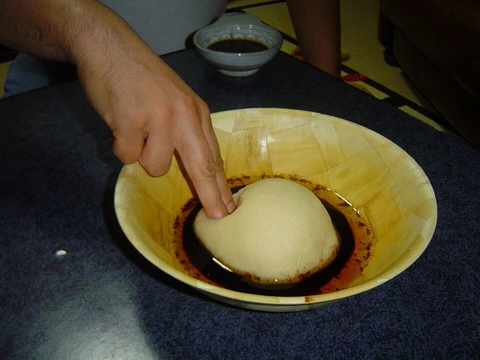
Date honey
Thick, dark fruit syrup used for millennia in cuisines.

Fumikas Sagisavas · CC0
Date honey, also known as date syrup, date molasses, Debes, or rub, is a thick dark brown, very sweet fruit syrup extracted from dates. It has been used for thousands of years, appearing in ancient Mesopotamian desserts and referenced in the Hebrew Bible, where rabbinic texts interpret the honey of the Holy Land as date honey rather than bee honey. Archaeological evidence from Jerusalem, including a storage jar marked with a palm tree from the siege of Jerusalem in 586 BCE, supports its ancient use.
- also_known_as
- Date syrup, date molasses, Debes, rub
- primary_ingredient
- Dates
- culinary_regions
- Middle Eastern, North African, South Asian cuisines
- key_nutrients
- Monosaccharides (glucose, fructose), magnesium, potassium, antioxidants
- historical_evidence
- Storage jar from 586 BCE Jerusalem; date press at Qumran
- modern_production
- Bangladesh produces around 20,000 tonnes annually
Lore & Background
Date honey has a long history, with evidence of its use in ancient Mesopotamia and in the Holy Land as described in the Book of Deuteronomy. Rabbinic texts such as the Jerusalem Talmud and Sifre interpret the biblical honey as date honey. Archaeological finds from Jerusalem, including a storage jar marked with a palm tree from a building destroyed during the siege of 586 BCE, indicate date honey was stored there. First-century historian Josephus noted that pressed dates from Jericho yielded an excellent honey. Remains of a date press at Qumran further confirm production in that period.
Reader's Guide
Date honey is significant for its long historical use and its nutritional properties. Rich in glucose and fructose, it raises blood glucose levels efficiently, making it suitable for those with hypoglycemia or sucrose intolerance. It contains higher levels of magnesium and potassium than maple syrup or honey, and is rich in antioxidants due to its phenolic and flavonoid content, exhibiting anti-inflammatory activity. In national cuisines, it is used in Libya with asida, in Iran and Iraq to sweeten tahini, in Algeria for desserts like baghrir, and across the Middle East for flavoring chicken, potatoes, stuffed vegetables, and semolina cake. Bangladesh produces around 20,000 tonnes annually, with the Kalkini Upazila region famous for its date juice and molasses.
Did You Know?
- Date honey is also called Debes or rub in Arabic.
- A storage jar marked with a palm tree from 586 BCE Jerusalem indicates date honey was stored there.
- First-century historian Josephus described pressed dates from Jericho yielding an excellent honey.
- Bangladesh produces around 20,000 tonnes of date molasses each year.
Ancient Origins and Archaeological Evidence
Date syrup's culinary history stretches back thousands of years, with its earliest documented presence in the kitchens of ancient Mesopotamia, where it featured prominently in desserts. Its significance extends into sacred texts: the Book of Deuteronomy lists honey among the bounties of the Holy Land, and later Rabbinic sources, including the Jerusalem Talmud and the Sifre, specifically identify that honey as date honey rather than the familiar bee variety. Physical evidence corroborates these written accounts. In Jerusalem, archaeologists uncovered a storage jar bearing a palm tree symbol inside a building that was destroyed during the siege of 586 BCE, confirming that date honey was stored and valued in that era. The first-century historian Josephus described the oases of Jericho and noted that the finest date varieties, when pressed, produced a honey whose sweetness rivaled that of bee honey. Remarkably, a date press installation was later identified at the nearby Qumran settlement, offering a tangible link to the production methods of that period.
Nutritional Profile and Health Applications
From a nutritional standpoint, date syrup stands apart from many other sweeteners. Its sugar content is composed primarily of the monosaccharides glucose and fructose, which means the body absorbs it rapidly into the bloodstream. This quick absorption makes it particularly well-suited for individuals managing hypoglycemia, those with sucrose intolerance, and people with pancreatic conditions that impair their ability to break down disaccharides. Beyond its sugar profile, date syrup contains higher levels of magnesium and potassium than natural alternatives such as maple syrup and honey. It also carries a substantial load of antioxidants, attributable to its high concentrations of phenolic compounds and flavonoids, and research has demonstrated that it exhibits anti-inflammatory properties. These combined qualities have propelled date syrup into growing popularity as a natural sugar substitute in recent years, offering both a functional health benefit and a rich, complex sweetness that distinguishes it from refined alternatives.
Culinary Traditions Across Cultures
Date syrup occupies a central role in the kitchens of the Middle East, North Africa, and South Asia, adapting to local traditions with remarkable versatility. In Libya, it is the classic companion to asida, a porridge-like dessert. Across Iran and Iraq, the syrup is stirred into tahini for a sweet breakfast spread, sometimes substituted with grape syrup. Algerian cooks fold it into baghrir, a traditional dessert. In broader Middle Eastern cooking, date syrup becomes a savory glaze: chicken and potatoes are rubbed with a mixture of the syrup, cardamom, salt, and olive oil, then rolled in sesame seeds before being fried or baked whole. It also serves as a sauce for stuffed vegetables like onions and turnips, and it lends a honey-like depth to basbousa, a beloved semolina cake. Far from the region of its origins, Bangladesh produces roughly twenty thousand tonnes of date molasses annually, with the Kalkini Upazila district earning particular renown for its date juice and molasses traditions.
Identity, Nomenclature, and Distinct Character
Few food products carry as many names as date syrup. Depending on the region and language, it is known as date honey, date syrup, date molasses, Debes (Arabic: دِبس, pronounced dibs), or rub (Arabic: رُب, pronounced rubb). This multiplicity of names reflects the product's deep roots across Arabic-speaking and broader Middle Eastern, North African, and South Asian food cultures. Physically, it presents as a thick, dark brown, intensely sweet syrup extracted directly from dates, setting it apart from bee honey in both origin and texture. Rabbinic commentators made this distinction explicit when interpreting biblical references to honey, clarifying that the sweetener in question was the date-derived variety. In the modern era, date syrup has gained renewed attention as a natural alternative to refined sugar, while its close relatives—grape syrup, pomegranate molasses, and pekmez—form a broader family of fruit-based syrups that share its role as a versatile sweetening and flavoring agent in traditional cooking.
Gallery
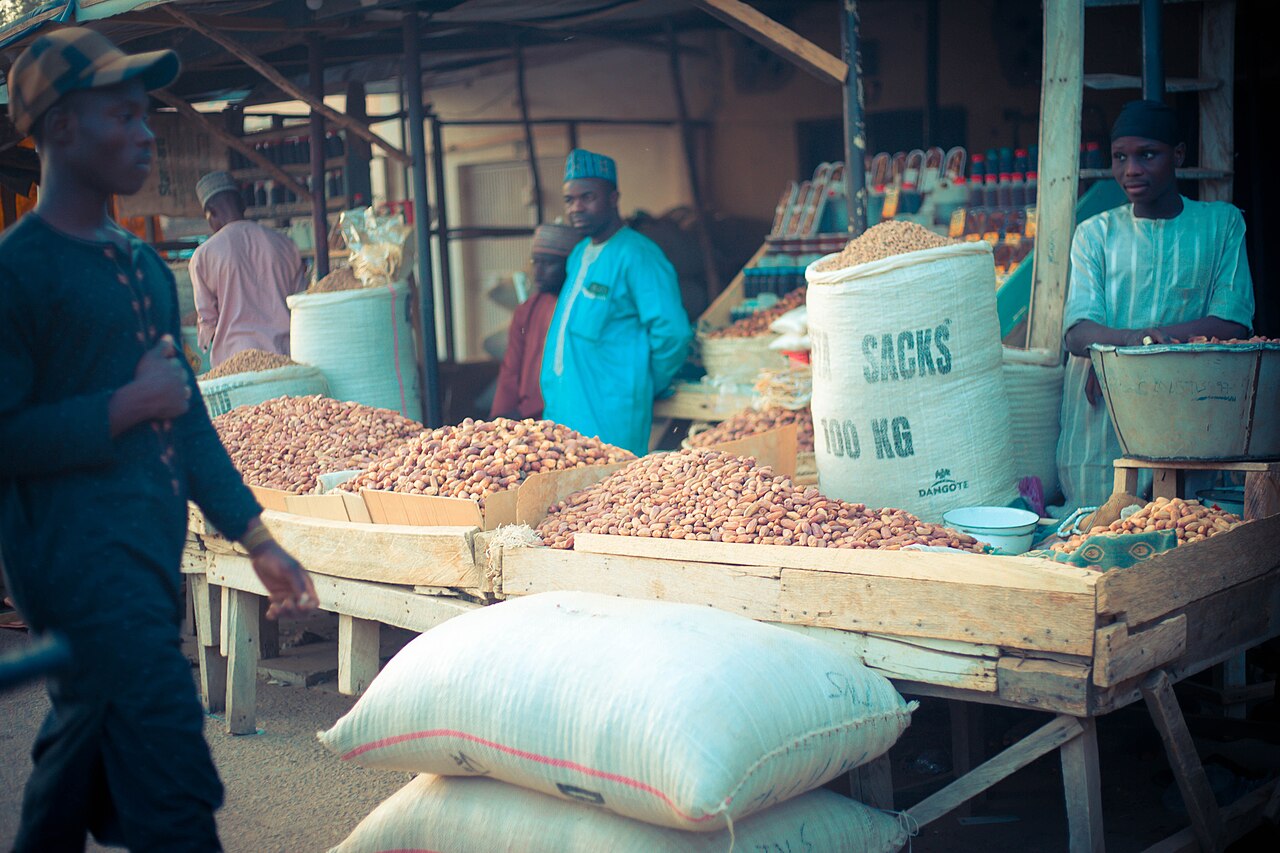
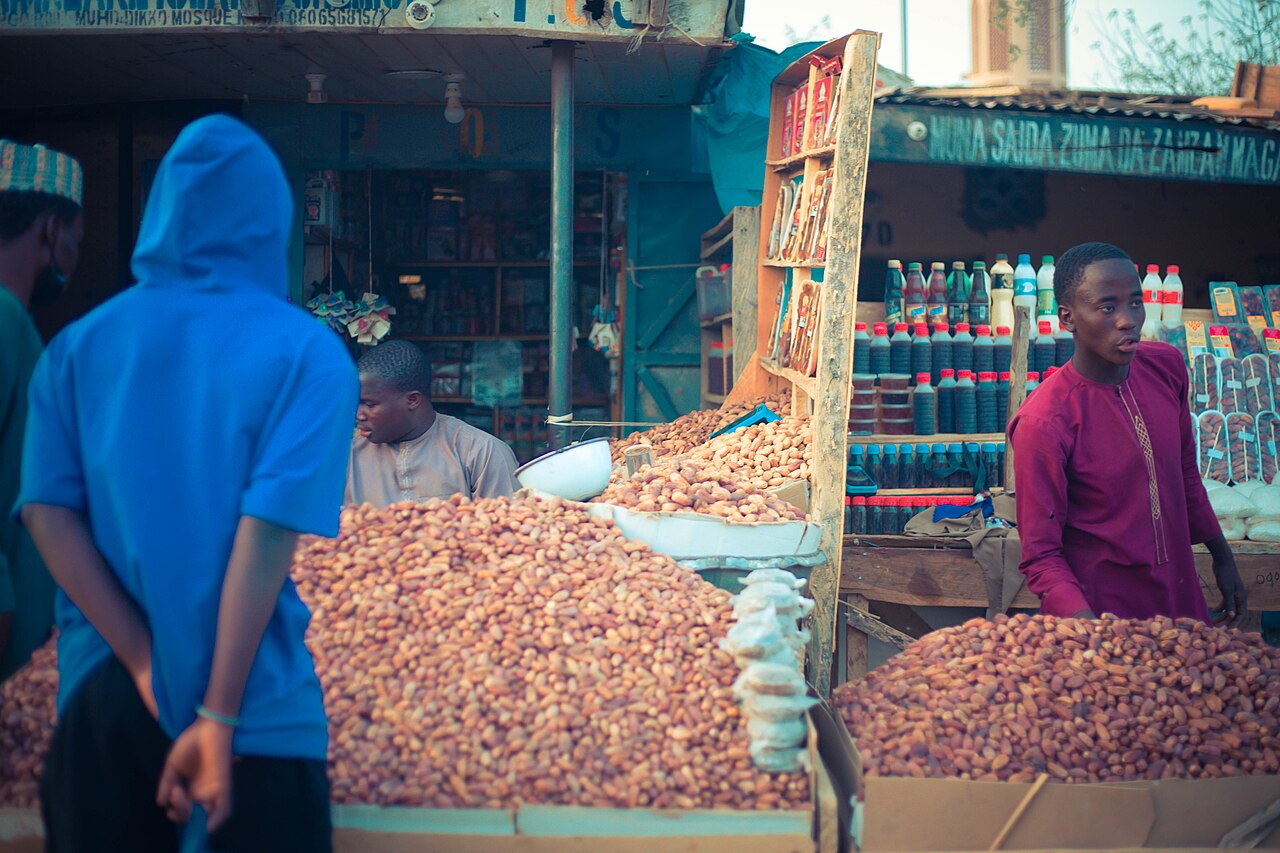
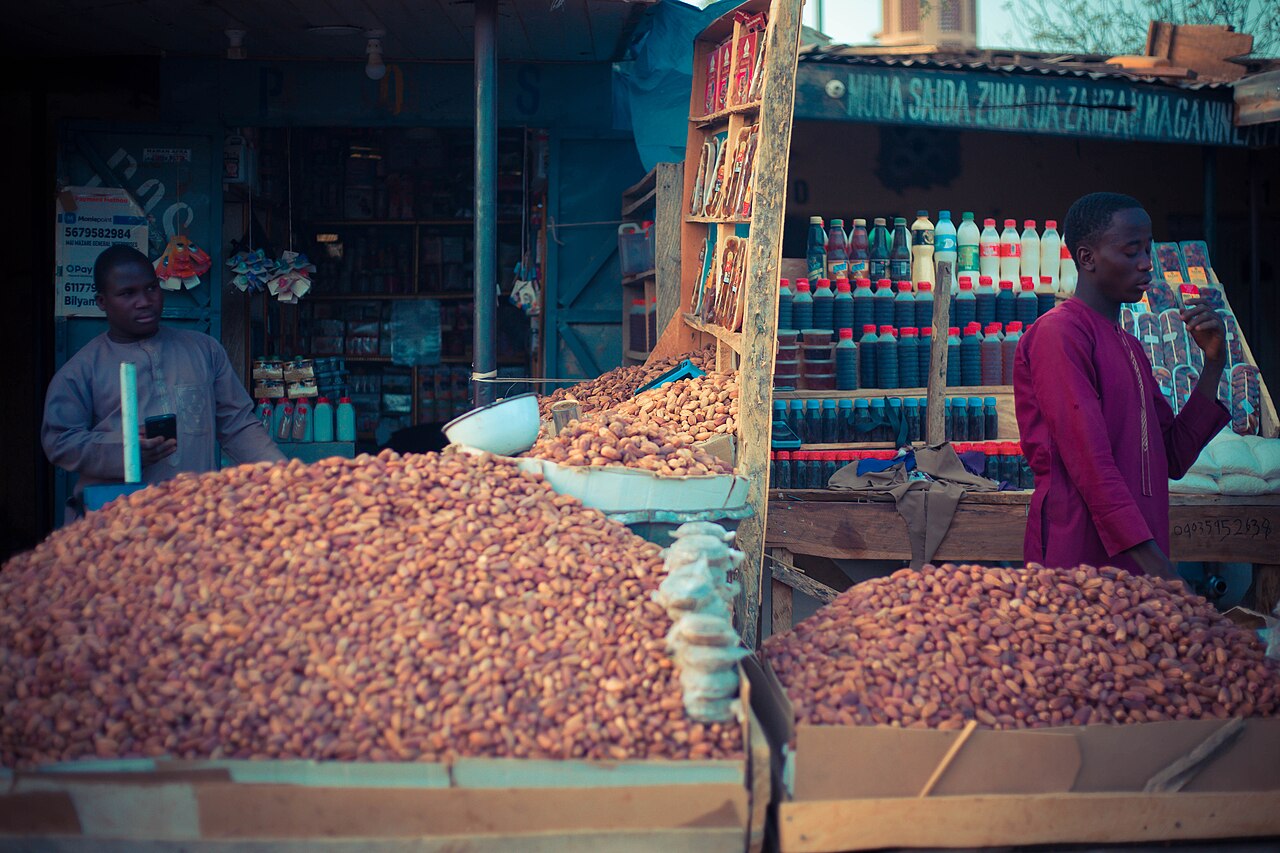
Frequently Asked Questions
What exactly is Date honey?
Date honey is a dense, dark-brown syrup made by pressing and reducing dates into a concentrated sweet liquid. It goes by several names across cultures, including Debes, rub, date molasses, and date syrup.
What's the main ingredient in Date honey?
The sole primary ingredient is the date fruit itself, which is pressed down until its sugars release and the liquid thickens into syrup. No added sugars or other fruits are needed for the traditional preparation.
How far back does Date honey's history go?
This sweet has been part of human food culture for thousands of years, with references in ancient Mesopotamian recipes and even in the Hebrew Bible, where scholars interpret the 'honey of the land' as referring to date syrup rather than bee honey. Physical proof of its use includes a palm-tree-marked storage jar uncovered at Jerusalem dating to the 586 BCE siege.
What's in Date honey nutritionally?
Because it is essentially concentrated date juice, it is packed with simple sugars like glucose and fructose, along with minerals such as magnesium and potassium. It also carries a load of natural antioxidants derived from the fruit.
Is Date honey only a Libyan thing?
Not at all — it shows up across Middle Eastern, North African, and South Asian cooking traditions. In fact, Bangladesh alone produces roughly 20,000 tonnes of it every year, making it a globally significant sweetener.
More in Libyan cuisine 1-22
Spotted an error? Know more?
This is a living reference — every entry is fact-audited, and reader corrections feed straight into our audit queue. Suggest an edit · See this site's audit record