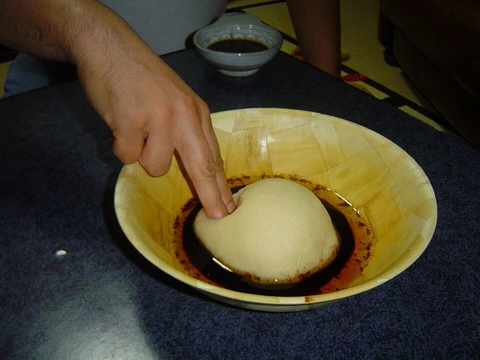
Couscous
A North African staple of steamed semolina granules.

AbbasHinna · CC BY-SA 4.0
Couscous consists of small, steamed granules made from rolled semolina, a staple across the Maghreb region—including Algeria, Tunisia, Mauritania, Morocco, and Libya—where it is commonly topped with a stew. The dish entered French and European cuisine in the early twentieth century, a result of the French colonial empire and the Pieds-Noirs of Algeria. In 2020, UNESCO recognized couscous on its Intangible Cultural Heritage list.
The word "couscous" (also spelled cuscus or kuskus) first appeared in 16th-century French (e.g., 1555 in Rabelais), derived from Arabic *kuskus*, which comes from *kaskasa* ("to pound"), and is likely of Berber origin. Berber varieties such as Kabyle and Riffian use *seksu*, while Saharan Berber tongues like Touareg and Ghadames have *keskesu*. This wide geographic spread points to a local Berber root, as Algerian linguist Salem Chaker argues. The Berber root *KS* means "well formed, well rolled, rounded." Numerous names for couscous exist worldwide. According to María Teresa Santamaría Hernández, the Arabic name *kuskūs*, first recorded in 13th-century Al-Andalus, may come from the Latin adjective *coscosus*. The Latin noun *coscus*, of ancient Mediterranean origin, referred to small rounded or curved objects—such as worms, ants, termites, and woodworms—and appears in Latin veterinary texts and glossaries. *Coscosus* thus meant "full of worms," metaphorically describing this dish of small granules. In medieval Spanish, *cozcucho* (from Andalusi Arabic) appears in the 13th century, while *alcuzcuzu*, *alcuzcuçu*, *cuzcuz*, and other variants referred to the dish from the first half of the 15th century, considered typical of Moors and Moriscos. The same dish was also called *formigos*, *hormigos*, and *hormiguillos* ("resembling ants") from the 15th century onward, as the original meaning of *cuzcuz* remained known.
The origins of couscous are unclear. Objects that may be couscoussiers have been found at Tichitt culture sites in southern Mauritania, dating to 700–400 BCE, where millet was grown and possibly made into couscous. Food historian Lucie Bolens believes couscous originated millennia ago during the reign of Masinissa in the ancient kingdom of Numidia (present-day Algeria). Traces of cooking vessels similar to couscoussiers have been found in 3rd-century BC graves from the time of the Berber kings of Numidia, in Kabylia, Alg
- Origin
- North Africa (Maghreb region)
- Main ingredient
- Semolina from durum wheat
- Alternative grains
- Pearl millet, sorghum, bulgur
- UNESCO recognition
- 2020
- Earliest possible evidence
- 700-400 BCE (Tichitt culture, Mauritania)
- First recorded Arabic name
- 13th century in Al-Andalus
Lore & Background
The word 'couscous' was first noted in 16th-century French (e.g., 1555 in Rabelais), from Arabic kuskus, from kaskasa 'to pound', and is probably of Berber origin. The Berber root *KS means 'well formed, well rolled, rounded.' According to María Teresa Santamaría Hernández, the Arabic name kuskūs can be better explained from Latin adjective *coscosus, meaning 'full of worms,' metaphorically referring to the dish of granules. In medieval Spanish, variants such as alcuzcuzu and cuzcuz referred to this dish considered typical of Moors and Moriscos.
Reader's Guide
Couscous is a staple food throughout the Maghrebi cuisines of Algeria, Tunisia, Mauritania, Morocco, and Libya. It was integrated into French and European cuisine at the beginning of the twentieth century through the French colonial empire and the Pieds-Noirs of Algeria. In 2020, couscous was added to UNESCO's Intangible Cultural Heritage list, with Algeria, Mauritania, Morocco, and Tunisia obtaining official recognition for the knowledge, know-how, and practices pertaining to its production and consumption. The dish is traditionally made from semolina, sprinkled with water and rolled into small pellets, then steamed. In modern times, production is largely mechanized, and pre-steamed couscous is sold worldwide. Couscous is widely consumed in France, where it was introduced by Maghreb immigrants and voted the third most popular dish in a 2011 survey.
Did You Know?
- Objects that may be couscoussiers have been found at Tichitt culture sites in southern Mauritania dated to 700-400 BCE.
- The word 'couscous' was first noted in early 17th century French, from Arabic kuskus, and is probably of Berber origin.
- In 2020, couscous was added to UNESCO's Intangible Cultural Heritage list.
- In Egypt, couscous is traditionally prepared and consumed as a sweet dish.
Ancient Roots and Numidian Origins
Couscous's origins stretch back millennia, though pinpointing a precise moment of invention remains elusive. Archaeological evidence from Tichitt culture sites in southern Mauritania, dating to roughly 700–400 BCE, has yielded objects that may be early couscoussiers, suggesting the dish could have been prepared from millet as far back as the first millennium before the common era. Food historian Lucie Bolens places its emergence during the reign of Masinissa in the ancient Numidian kingdom, now modern-day Algeria, while traces of cooking vessels resembling couscoussiers have surfaced in 3rd-century BC graves in Kabylia. Further corroboration comes from 9th-century utensils discovered in Tiaret and 12th-century examples in the ruins of Igiliz in Morocco's Sous valley. Scholarly debate persists: Charles Perry situates its birth between the late 11th-century Zirid dynasty and the 13th-century Almohad Caliphate, while Marianne Brisville identifies an 11th-century reference under the word taam in Ouargla, Algeria. What unites these accounts is a clear Berber and Maghrebi foundation stretching back at least two thousand years.
A Word Traveling Through Languages
The name couscous carries a remarkable linguistic journey. First recorded in early 17th-century French, the term derives from Arabic kuskus, which in turn traces to the verb kaskasa, meaning to pound. Yet the widespread presence of the word across Berber varieties—seksu in Kabyle and Riffian dialects, keskesu among Touareg and Ghadames speakers—strongly points to a local Berber origin, a conclusion supported by Algerian linguist Salem Chaker. The Berber root *KS conveys the idea of something well formed, well rolled, rounded, a fitting description for the tiny granules themselves. A competing theory, advanced by María Teresa Santamaría Hernández, links the Arabic kuskūs, first attested in 13th-century Al-Andalus, to the Latin adjective *coscosus, derived from the noun coscus, which described small rounded objects and even small creatures like worms and ants. This metaphorical thread persisted in medieval Spanish, where cozcucho and later formigos, meaning resembling ants, captured the same visual association with the dish's granular texture.
The Art of Handmade Granules
Traditional couscous preparation is a laborious, communal undertaking rooted in the hardest component of durum wheat—semolina, the portion of the grain that resists the millstone. The maker sprinkles semolina with water, rolls it between the palms into small pellets, dusts them with dry flour to prevent sticking, and passes them through a sieve. Granules too small to qualify fall through and are re-rolled, re-sprinkled, and re-sieved in a cycle that repeats until every particle of semolina has been transformed. In the traditional setting, groups of people gather to produce large batches over several days, drying the finished granules in the sun for storage and use over months. When cooking, the dried couscous is rehydrated through repeated moistening and steaming over a simmering stew until it achieves a light, fluffy texture. In certain regions, the base grain shifts to farina, coarsely ground barley, or pearl millet. While modern production has become largely mechanized and the product is now sold worldwide, the ideal remains unchanged: properly cooked couscous should be airy and delicate, never gummy or gritty.
From the Maghreb to the World
Couscous has long been a cornerstone of Maghrebi cuisine across Algeria, Tunisia, Mauritania, Morocco, and Libya, but its influence extends far beyond that region. Berber dynasties in the 13th century are believed to have carried the dish into the Iberian Peninsula, though it has since disappeared from traditional Spanish and Portuguese cooking. In Sicily's Trapani, however, the dish survives according to a medieval recipe by the Andalusian author Ibn Razin al-Tujibi. Ligurian families who relocated from Tabarka to Sardinia in the 18th century brought couscous to the island of Carloforte. In West Africa, pearl millet, sorghum, and bulgur are prepared in a similar steaming technique, and the resulting dishes are commonly called couscous in English, French, and Hassaniya Arabic. Ibn Battuta documented a fonio-based couscous in the Niger River valley during the 14th century, and millet couscous remained a principal staple of Senegambia until at least the 19th century. The dish entered French and broader European cuisine at the start of the 20th century through the colonial empire and the Pieds-Noirs of Algeria. In 2020, UNESCO inscribed couscous on its Intangible Cultural Heritage list, recognizing its enduring significance across cultures.
Gallery
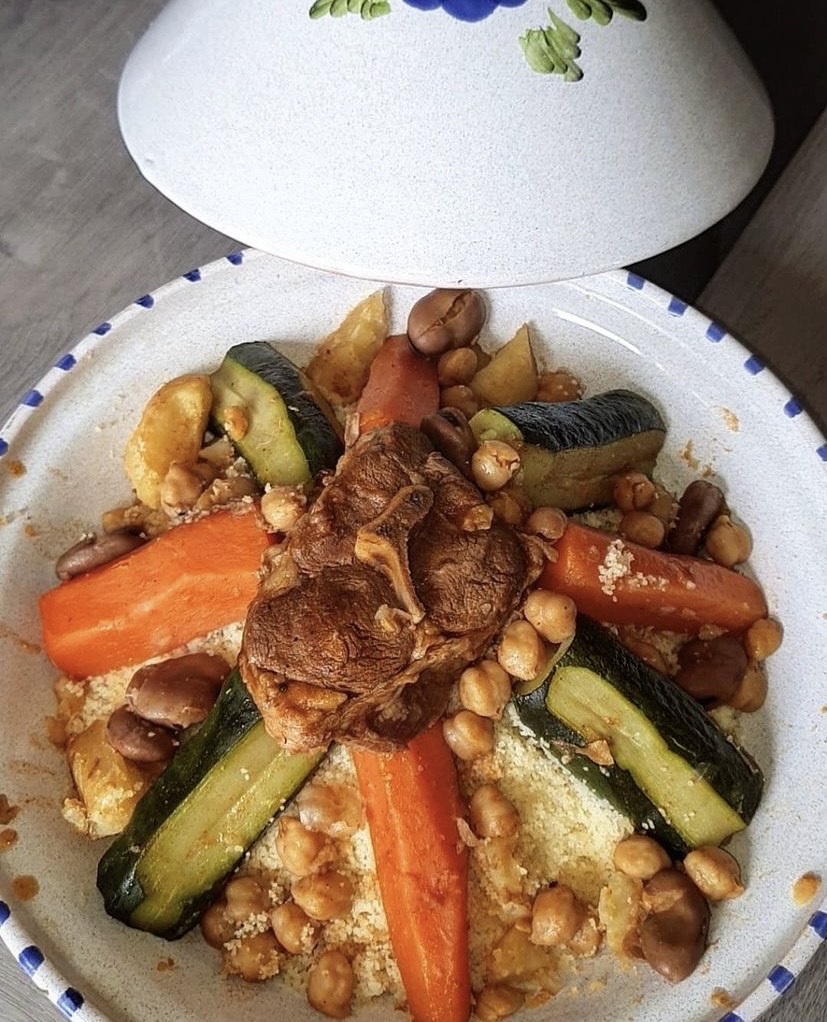
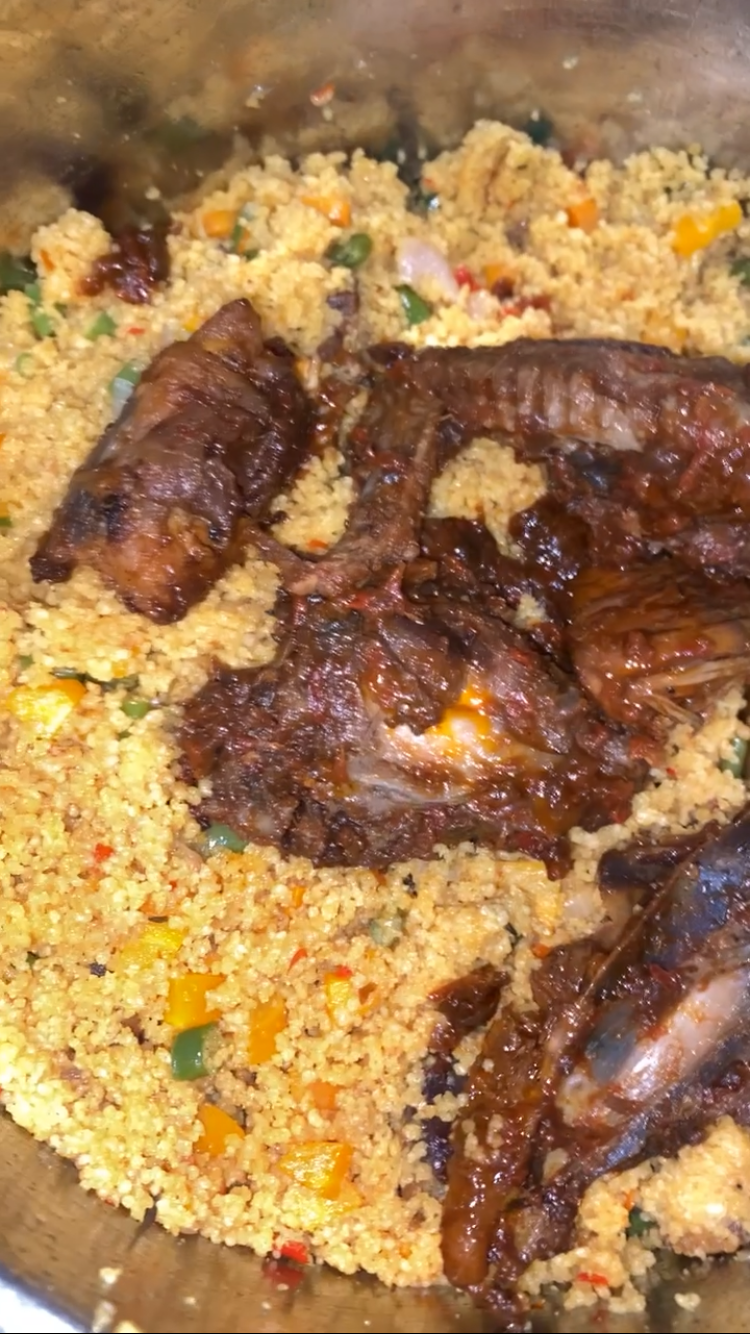
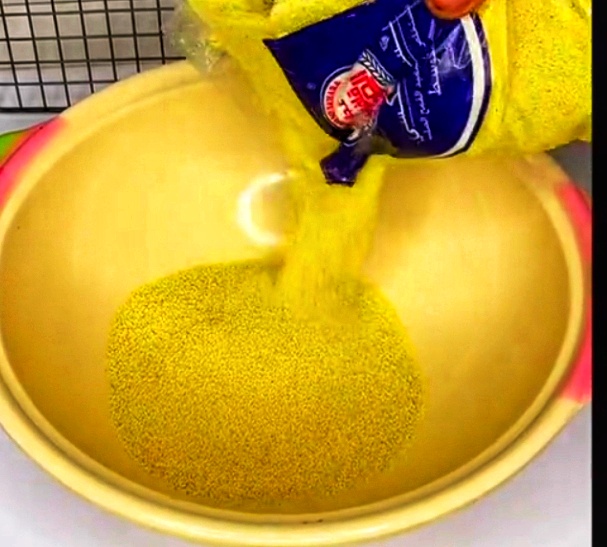
Frequently Asked Questions
Who is Couscous?
Couscous is a traditional North African dish of tiny steamed semolina granules, served as a staple meal across the Maghreb including Libya. It is typically presented with a savory stew draped over the top.
What is Couscous made of?
The primary ingredient is semolina milled from durum wheat, shaped into small pellets and steamed. In some regional variations, pearl millet, sorghum, or bulgur can substitute for the wheat base.
Where does Couscous's story begin?
The earliest physical evidence of couscous-like preparation dates back roughly 700 to 400 BCE in the Tichitt culture of what is now Mauritania. The Arabic name 'kuskus' was first recorded in writing during the 13th century in Al-Andalus.
How did Couscous spread beyond North Africa?
French colonial presence in the region, particularly in Algeria, carried the dish into European kitchens in the early 1900s, aided by the Pieds-Noirs community. The term itself had already appeared in French texts as early as 1555 in Rabelais's work.
Why is Couscous considered so important?
In 2020, UNESCO inscribed couscous on its Intangible Cultural Heritage list, acknowledging its shared significance across Algeria, Tunisia, Mauritania, Morocco, and Libya. It remains a cornerstone of daily and celebratory meals throughout the Maghreb.
More in Libyan cuisine 1-22
Spotted an error? Know more?
This is a living reference — every entry is fact-audited, and reader corrections feed straight into our audit queue. Suggest an edit · See this site's audit record