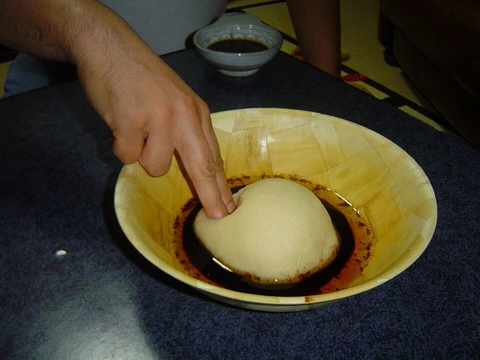
Harira
Traditional North African soup served during Ramadan and year-round.

Unknown author · CC0
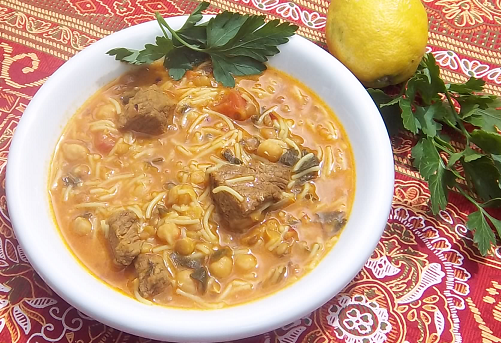
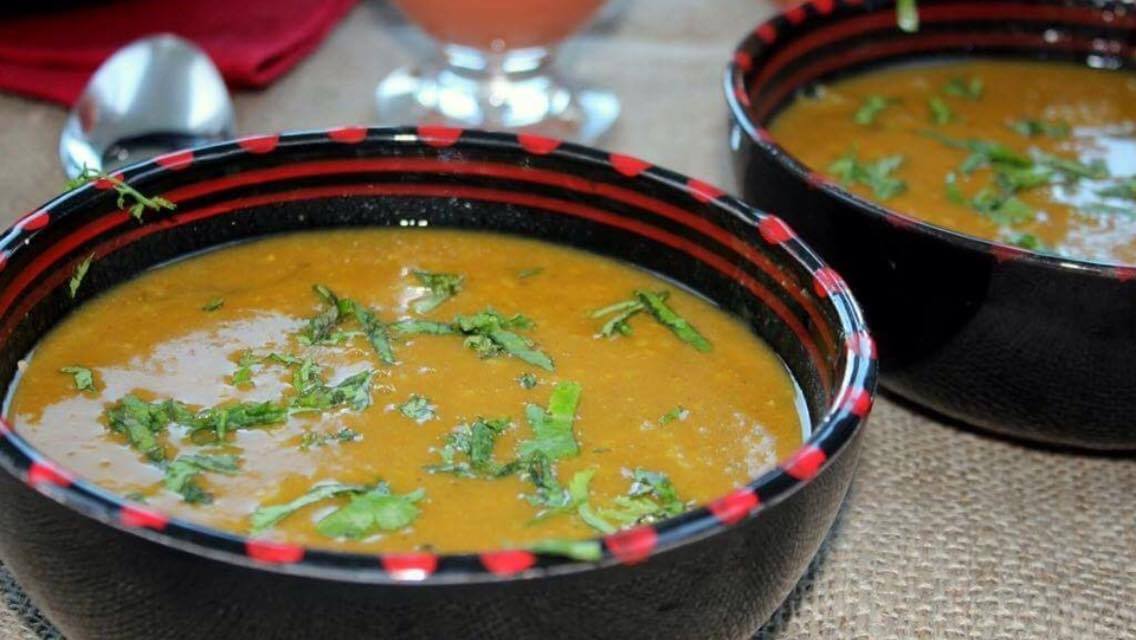
Harira is a traditional North African soup prepared in Morocco, Tunisia, Algeria, and Libya, with Andalusian and Amazigh North African origins. It is popular as a starter and is also eaten on its own as a light snack, most notably served during Ramadan, though it can be made throughout the year.
- Origin
- Disputed: Morocco (per Gil Marks) or Andalusian/Maghreb (per Algérie Poste and Ibn Razīn al-Tujībī)
- Region
- North Africa (Morocco, Algeria, Tunisia, Libya)
- Type
- Soup
- Associated with
- Ramadan
- Key variations
- Moroccan, Algerian, Tunisian, Libyan
Lore & Background
Harira is a soup with disputed origins. Jewish food historian Gil Marks attributes its origin to Morocco, a claim that is compelling but debatable. According to Algérie Poste and Andalusi Scholar Ibn Razīn al-Tujībī, harira is an authentic Maghreb dish of Andalusian origin and is identified as one of the best-known dishes of Morocco and western Algeria, Tunisia, and Libya, where it is traditionally associated with Ramadan.
Moroccan harira relies heavily on a dense tomato, lentil, and chickpea base seasoned with ginger, cinnamon, cilantro, and thickened with flour, often including pieces of chicken or lamb. Algerian harira, such as Harira Oranaise, incorporates distinct local elements like frik (cracked green wheat) or a slightly fermented flour starter (khmira baldiya). Tunisian harira is centered around lamb, tomatoes, and chickpea paste, thickened with crushed caraway seeds, dried mint, and fine semolina or pasta rather than flour. Libyan harira, often called Sharba Libiya, is a mild, aromatic soup with a tomato base, lamb, and chickpeas, seasoned with turmeric, cumin, and coriander—not to be confused with Hror, a separate spicy Libyan soup or stew.
Reader's Guide
Harira holds a significant place in Maghrebi cuisine, particularly as a staple during Ramadan, where it is commonly served to break the fast. Its variations across Morocco, Algeria, Tunisia, and Libya reflect regional culinary traditions and ingredient availability, from the tomato-lentil base of Morocco to the fiery chili profile of Libya. The soup's disputed origins—whether Moroccan or Andalusian—highlight the complex cultural exchanges in North African history, but its widespread popularity across the region is undisputed. Harira is not only a starter but also a light snack, and its preparation often involves family recipes passed down through generations. The inclusion of ingredients like lentils, chickpeas, and meat makes it a nourishing dish, while the addition of lemon juice and eggs in some versions ties it to broader Maghrebi cooking practices. Its legacy endures as a symbol of hospitality and communal dining, especially during the holy month of Ramadan.
Did You Know?
- Harira is traditionally associated with Ramadan but can be made throughout the year.
- Moroccan harira is thickened with a flour-and-water mixture called tadouira.
- Libyan harira is known locally as Sharba Libiya, while Hror is a different spicy Libyan soup.
- The origin of harira is disputed, with some attributing it to Morocco and others to Andalusian origin.
Origins and the Question of Identity
Harira's roots remain a subject of genuine scholarly debate, making its cultural identity as layered as the dish itself. Jewish food historian Gil Marks credits Morocco as the birthplace of the soup, a claim that carries weight yet remains open to challenge. On the other hand, Algérie Poste and the Andalusian scholar Ibn Razīn al-Tujībī trace harira to Andalusian culinary traditions, positioning it as an authentic Maghreb preparation that spread across Morocco, western Algeria, Tunisia, and Libya. The broader picture suggests Andalusian and Amazigh North African influences converge in the dish, embedding it firmly within the wider Maghrebi cuisine. In that wider tradition, additions such as lemon juice and egg become characteristic touches. Regardless of where one places the origin, harira is consistently identified as one of the best-known dishes across these countries, traditionally tied to the month of Ramadan while also appearing on tables throughout the year. Its contested lineage only deepens the pride each community feels in claiming and adapting the recipe to local tastes.
A Spectrum of Regional Character
Although the name harira unites a family of soups across North Africa, each country stamps its own unmistakable fingerprint on the pot. Moroccan harira builds a thick, hearty base from tomatoes, lentils, and chickpeas, seasoned with ginger, cinnamon, and fresh cilantro, then thickened with flour and rounded out with pieces of chicken or lamb. Algerian versions, such as Harira Oranaise, introduce distinctly local ingredients: frik, a cracked green wheat, or khmira baldiya, a slightly fermented flour starter, giving the broth a tangy, rustic depth. Tunisian harira shifts the center of gravity toward lamb, tomatoes, and a chickpea paste, and achieves its signature body not through flour but through crushed caraway seeds, dried mint, and fine semolina or tiny pasta called langue d'oiseau. Libyan harira, often called simply Sharba Libiya or Hror, takes a bolder, spicier path, layering generous paprika, chili, and garlic over lamb, chickpeas, and a tomato base, finished with dried mint for a robust, fiery profile.
The Craft of Preparation
Moroccan harira, the most widely recognized variant, follows a layered cooking process that rewards patience. The foundation is a well-seasoned lamb stock, warmed with cinnamon, ginger, and a coloring agent such as turmeric or saffron, then perfumed with fresh cilantro and parsley. Into this broth go tomatoes, tomato concentrate, lentils, chickpeas, fava beans, and onions, along with a small quantity of beef, lamb, or chicken and a spoonful or two of olive oil. Rice or broken vermicelli adds texture, while the recipe may shift slightly depending on the region. The finishing touch is tadouira, a thickening paste of flour and water, sometimes with a touch of canned tomato paste, stirred in at the very end to give the soup its characteristic density. A squeeze of lemon juice can be added at the table. Crucially, the soup is considered at its finest after it has rested overnight, allowing the flavors to meld and the body to set.
The Table and the Season
Harira occupies a special place in the rhythm of North African eating. While it can be prepared any time of year, its most prominent role arrives during Ramadan, when it becomes a central part of the meal across Morocco, Tunisia, Algeria, and Libya. On the table it serves dual purposes: a generous starter that opens the meal, or a light, satisfying snack enjoyed on its own. The accompaniments are as important as the soup itself. Hardboiled eggs, dusted with salt and cumin, sit alongside the bowl, joined by dates, dried figs, and other favorite dried fruits. Traditional honey sweets and homemade special breads or crepes complete the spread, creating a balance of savory, sweet, and textural contrasts. In the broader Maghrebi tradition, the addition of lemon juice and egg at the point of serving is a hallmark that ties the regional versions together. The result is a dish that is as much about communal ritual and seasonal celebration as it is about the ingredients in the pot.
Gallery
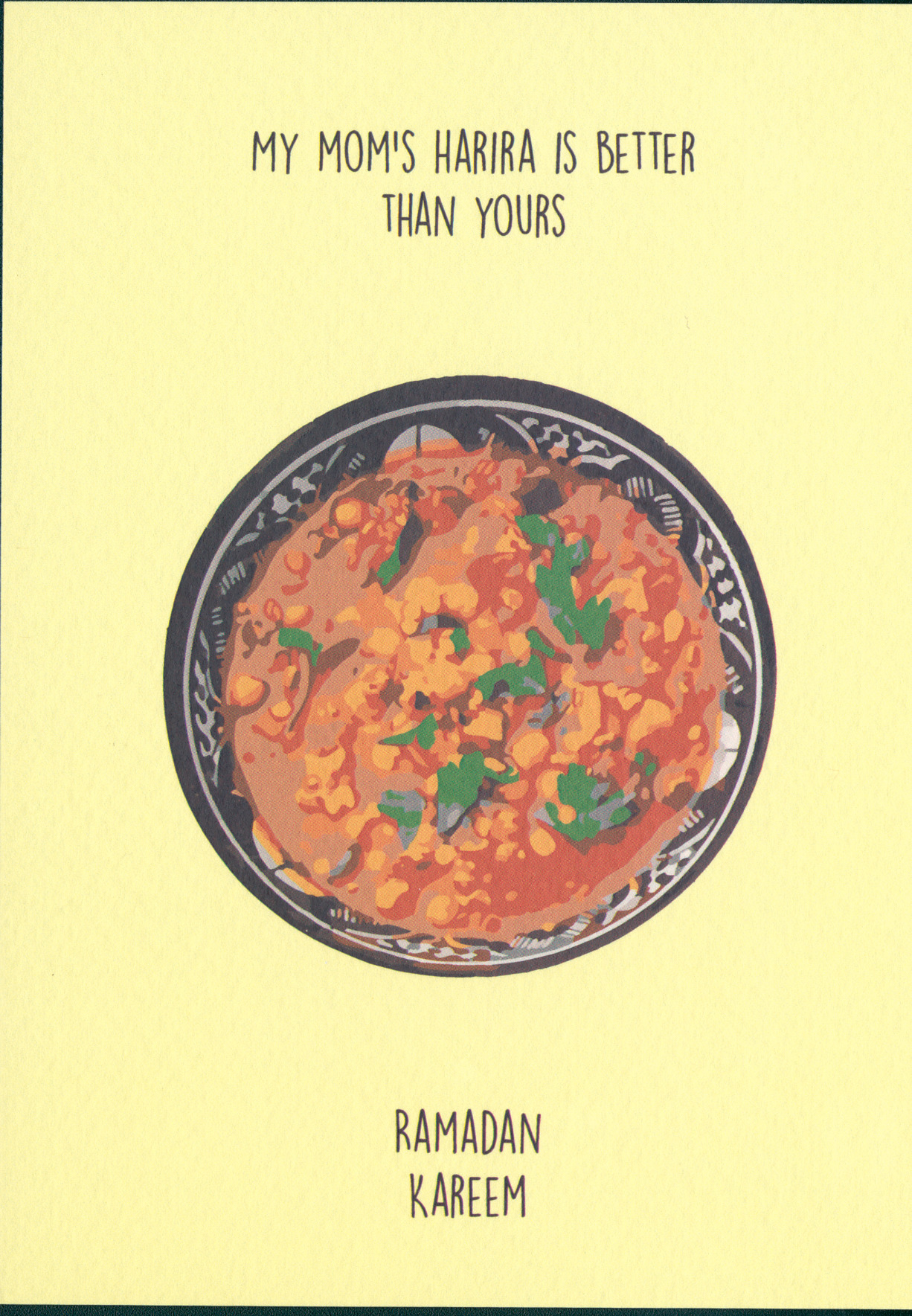

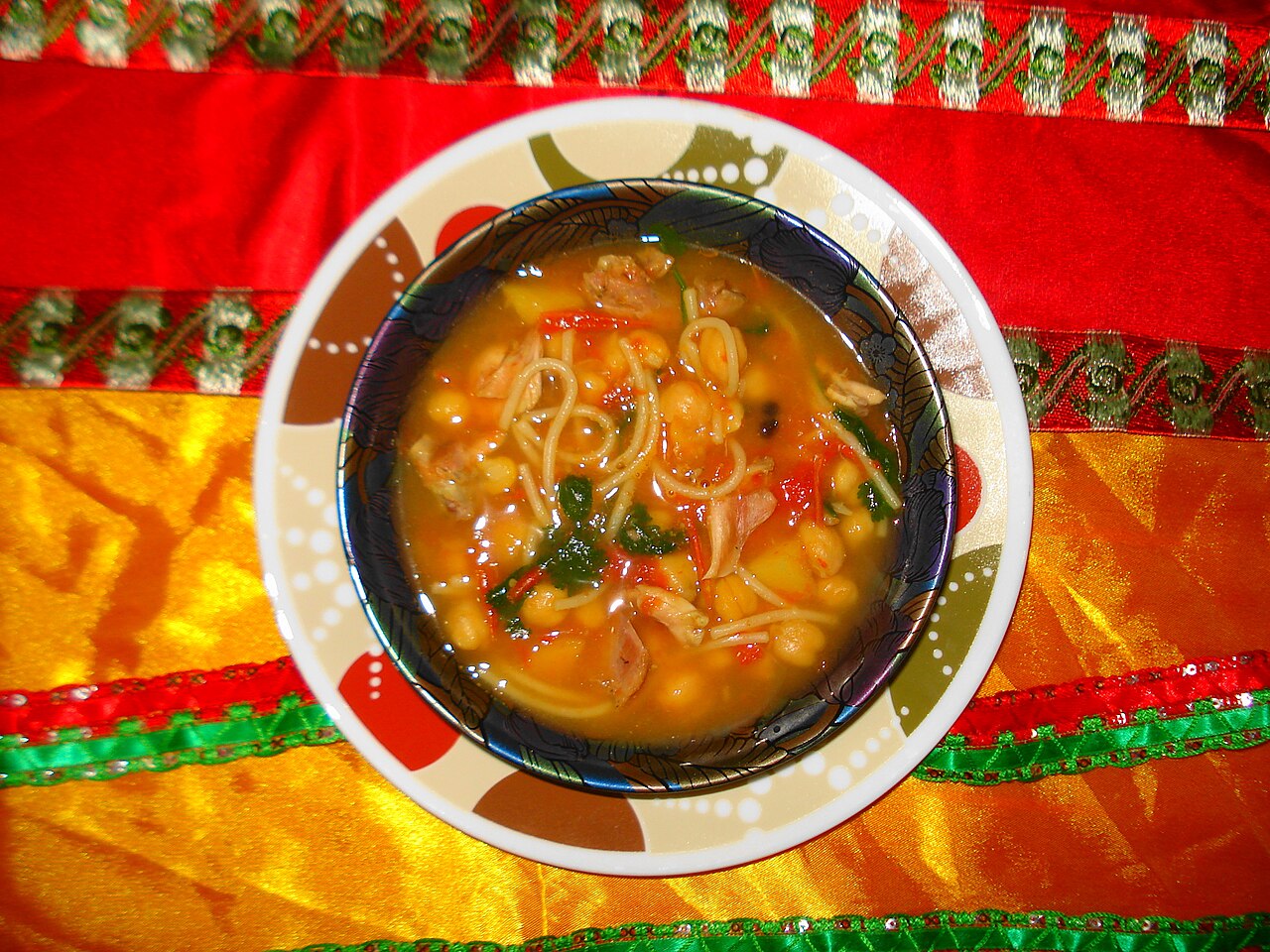
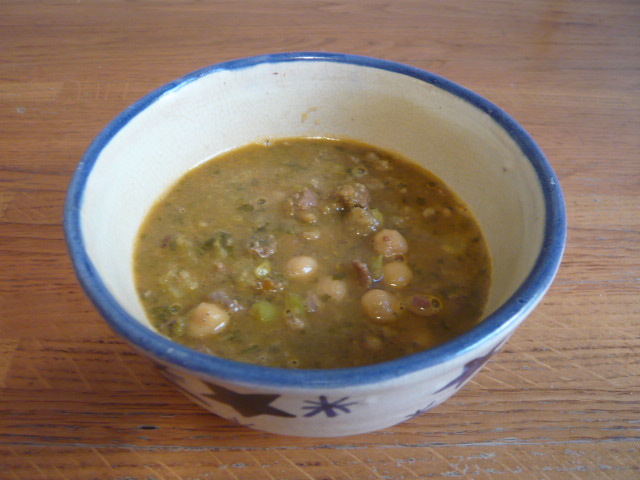
Frequently Asked Questions
Who is Harira?
Harira is a traditional North African soup enjoyed across Morocco, Algeria, Tunisia, and Libya, with culinary roots in both Andalusian and Amazigh cooking traditions. Rather than belonging to a single country, it is a shared regional dish with distinct flavors in each locale.
What is Harira's role in the dining world?
It most often appears as a warm first course, though many people treat it as a complete light meal on its own. Its signature moment arrives during Ramadan, when it becomes the quintessential soup for breaking the daily fast.
Where does Harira's origin story come from?
Food historians still debate whether it was born in Morocco or emerged from the broader Andalusian-Maghreb culinary sphere. What is well established is that it has been a household staple along the North African coast for centuries, evolving into recognizable Moroccan, Algerian, Tunisian, and Libyan versions.
Why is Harira important to Libyan and wider North African food culture?
It acts as a unifying thread in Maghrebi cuisine, reminding people across borders that they share a common table. Its deep tie to Ramadan makes it a symbol of tradition, hospitality, and communal eating that carries emotional weight well beyond the bowl itself.
Can Harira be enjoyed outside of Ramadan?
Yes — while the holy month is when it shines brightest, it is prepared and served year-round as a comforting, easy-to-eat option. In Libya and across the Maghreb, you will find it in home kitchens and on restaurant menus in every season.
More in Libyan cuisine 1-22
Spotted an error? Know more?
This is a living reference — every entry is fact-audited, and reader corrections feed straight into our audit queue. Suggest an edit · See this site's audit record