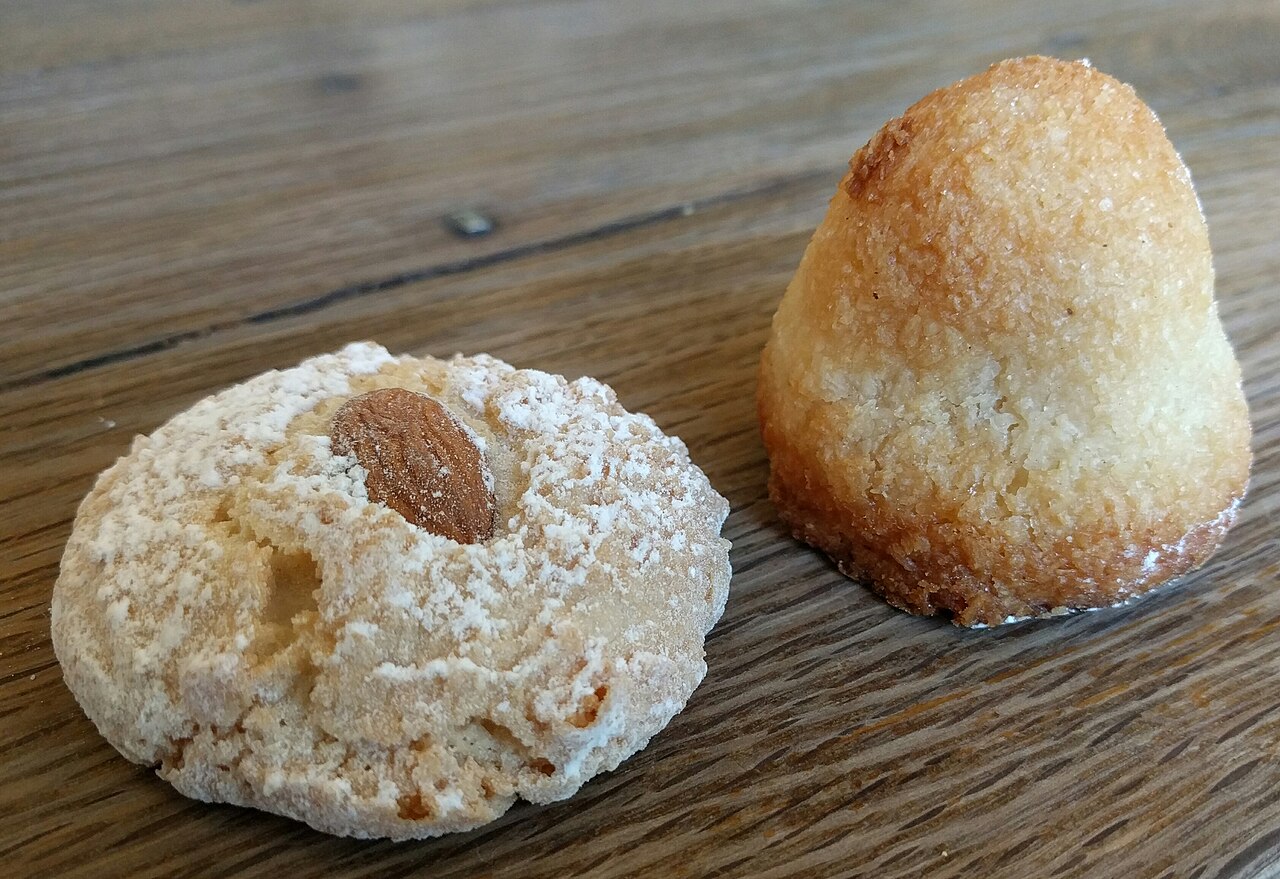
Macaroon
Small cake or cookie of almonds, egg whites, and sugar.

Janet Hudson · CC BY 2.0
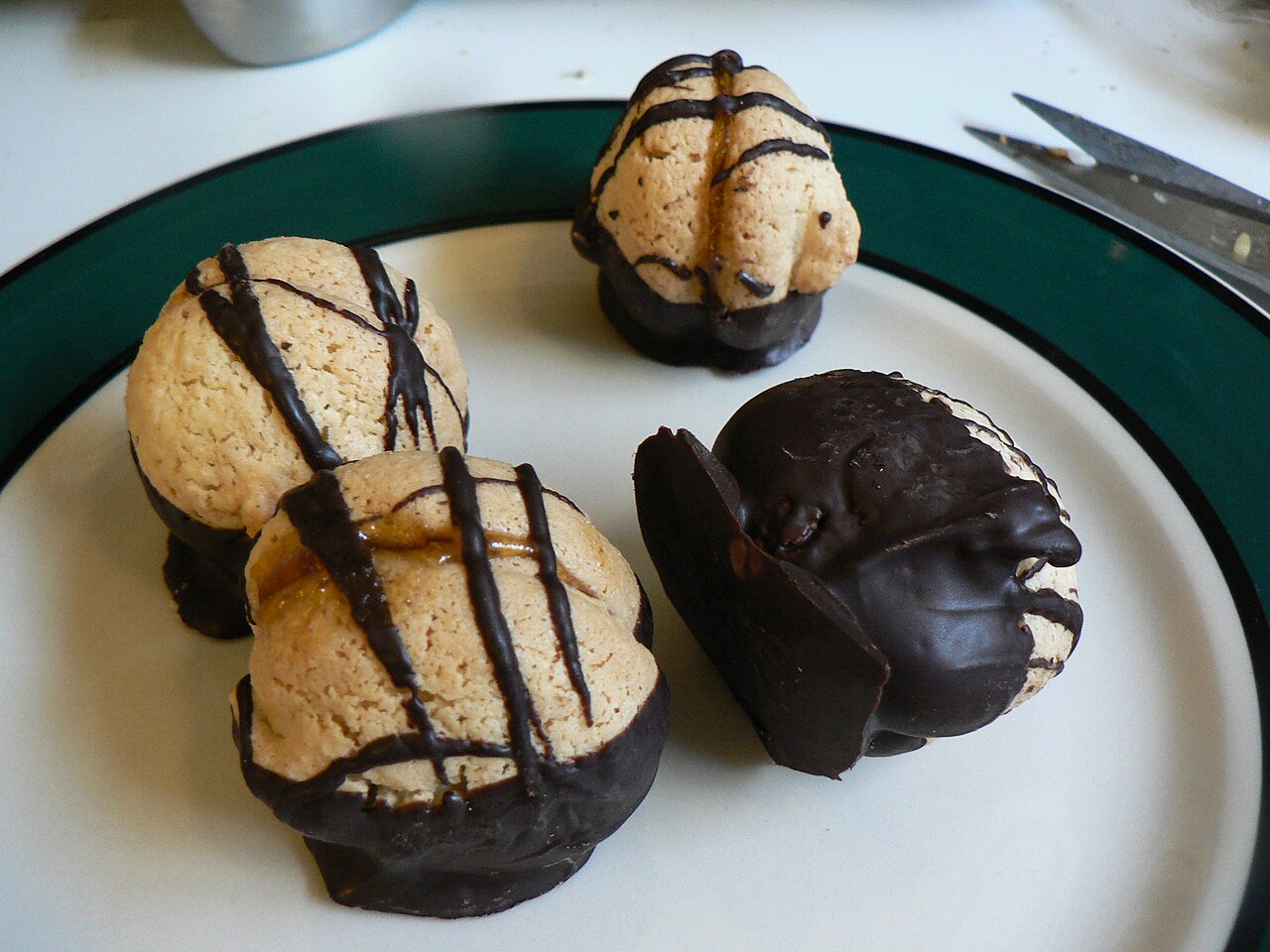
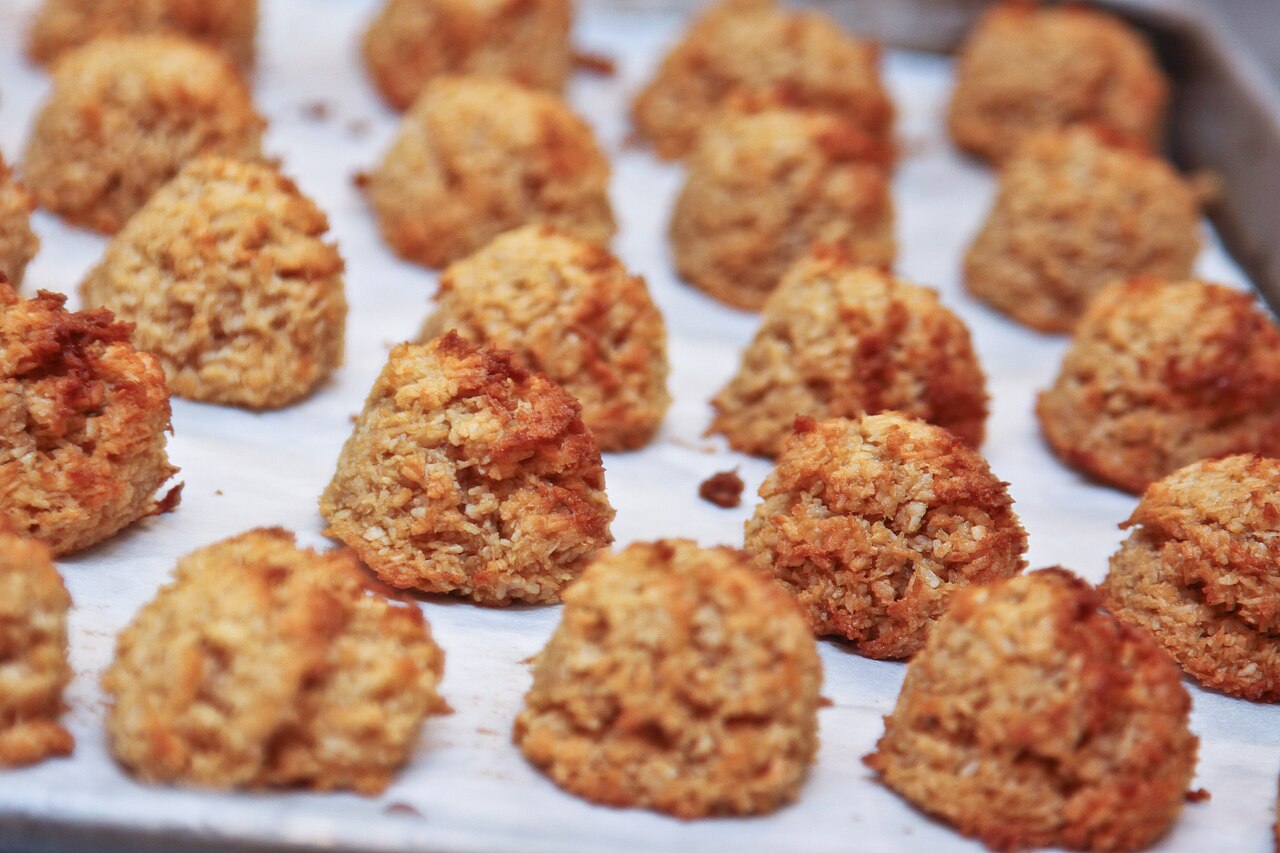
A macaroon is a small baked confection, originally made with ground almonds, egg whites, and sugar. Today, it is often made with coconut or other nuts, and may include jam, chocolate, or other flavorings. The word comes from the French *macaron*, which traces back to the Sicilian *maccarone*, a variant of *maccherone*—the same root as "macaroni." The ultimate origin is uncertain, possibly from medieval Greek words meaning "barley broth" or "funeral chant."
- earliest_known_origin
- 16th century (1533) in Italy
- earliest_known_recipe
- 1533 (Italy)
Lore & Background
Macaroons can be traced to a 16th-century Italian recipe (1533), not to an 8th-century French monastery. In 1624, the Abbey of the Visitation was founded in Nancy by the Catholic order (not by a daughter of Catherine de' Medici), where macaroons were made. After the dissolution of this monastery during the French Revolution, two nuns, Sister Marguerite and Sister Marie-Elisabeth, began baking and selling macaroons to the public, becoming known as the 'Macaroon Sisters'.
Reader's Guide
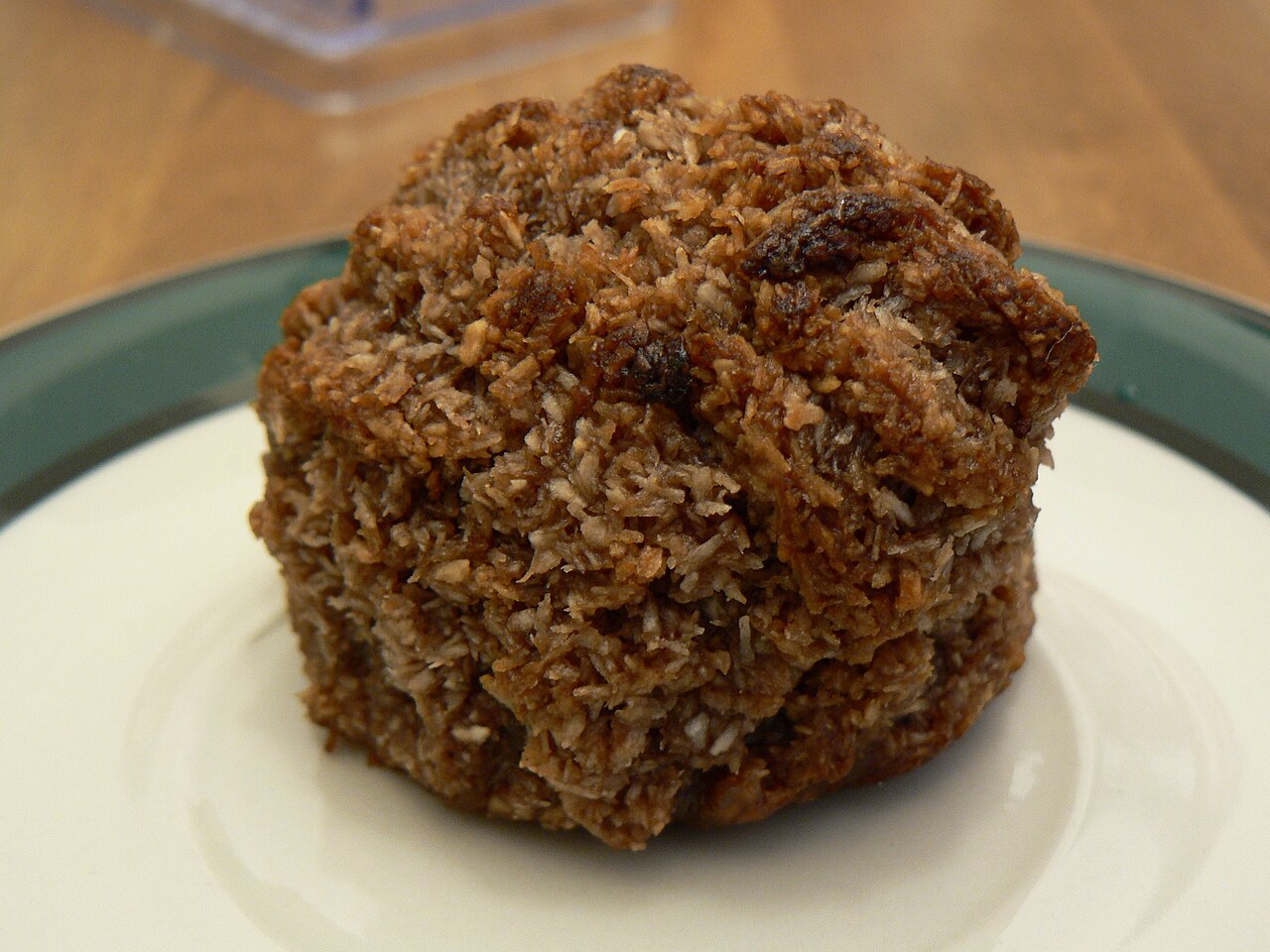
Macaroons became a popular treat for Jews on Passover because they contain no flour or leavening, being leavened by egg whites. Recipes appeared at least as early as 1725 in Robert Smith's Court Cookery, and Mrs Beeton's Book of Household Management (1861) includes a typical traditional recipe. Over time, coconut was added to ground almonds and, in some recipes, replaced them. Mass-produced commercial macaroons generally weigh about 0.5 ounces (14 g), contain only coconut, sweetener, starch, egg whites, and optional flavoring, and provide 60–70 calories each. They are ovo-vegetarian but not lacto-vegetarian or vegan, and are free of gluten, dairy, cholesterol, or sulfites. Regional varieties include the French Congolais, German Mandelhörnchen, Indian cashew macaroons from Thoothukudi and Mangalore, the Scottish macaroon bar (created in 1931 by Lees of Scotland), and the Philippine coconut macaroon baked in cupcake wrappers with a raisin. The Libyan Abambaer is made with almonds, sugar, and egg whites, served at weddings.
Did You Know?
- The name macaroon shares its origin with the word macaroni, both from Sicilian maccarone.
- Two nuns known as the 'Macaroon Sisters' began selling macaroons to the public after the French Revolution.
- Macaroons are leavened by egg whites, making them suitable for Passover as they contain no flour or leavening.
- The Scottish macaroon bar was reportedly created by accident when a confectioner botched a chocolate fondant bar and threw coconut over it.
Monastic Roots and the Macaroon Sisters
The story of the macaroon begins not in a bustling marketplace but in the quiet kitchens of medieval monasteries. In the eighth century, nuns at a French monastery in the city of Cormery were already shaping small cakes from ground almonds, egg whites, and sugar, and Italian monasteries were doing much the same around the same period. Centuries later, in 1624, a new abbey rose in the heart of Nancy, established by a daughter of Catherine de' Medici and Henry II of France; it became a Benedictine house by 1668 and continued the tradition of baking macaroons within its walls. That tradition, however, was shattered by the French Revolution, which dissolved the monastery. Two of its nuns, Sister Marguerite and Sister Marie-Elisabeth, refused to let the recipe die with the institution. They took to the streets, baking and selling macaroons to the general public, and earned the affectionate nickname the "Macaroon Sisters." Their small act of enterprise transformed a cloistered monastic treat into a public confection and set the stage for the cookie's long journey across Europe and beyond.
A Word's Long Journey Through Four Languages
The name "macaroon" carries a linguistic trail that stretches back through at least four languages and possibly into the ancient world. English borrowed the word from French macaron, which in turn drew from the Sicilian maccarone, a variant of maccherone—the very same root that gives us "macaroni." What the word meant at its earliest point remains genuinely uncertain. Some etymologists point to medieval Greek makaria, meaning "barley broth," or to makaronia, a "funeral chant," though neither connection is definitive. An older theory linked the term to the Italian verb maccare, "to bruise," on the grounds that the cookie's ingredients are crushed; that explanation has since been rejected by scholars. It is also possible the word originally referred simply to a type of pasta or macaroni before migrating into the world of confectionery. What is clear is that a single, unglamorous root word—likely describing a humble grain dish—eventually came to label one of the most recognizable small cakes in the Western baking repertoire.
A Cookie Without Borders
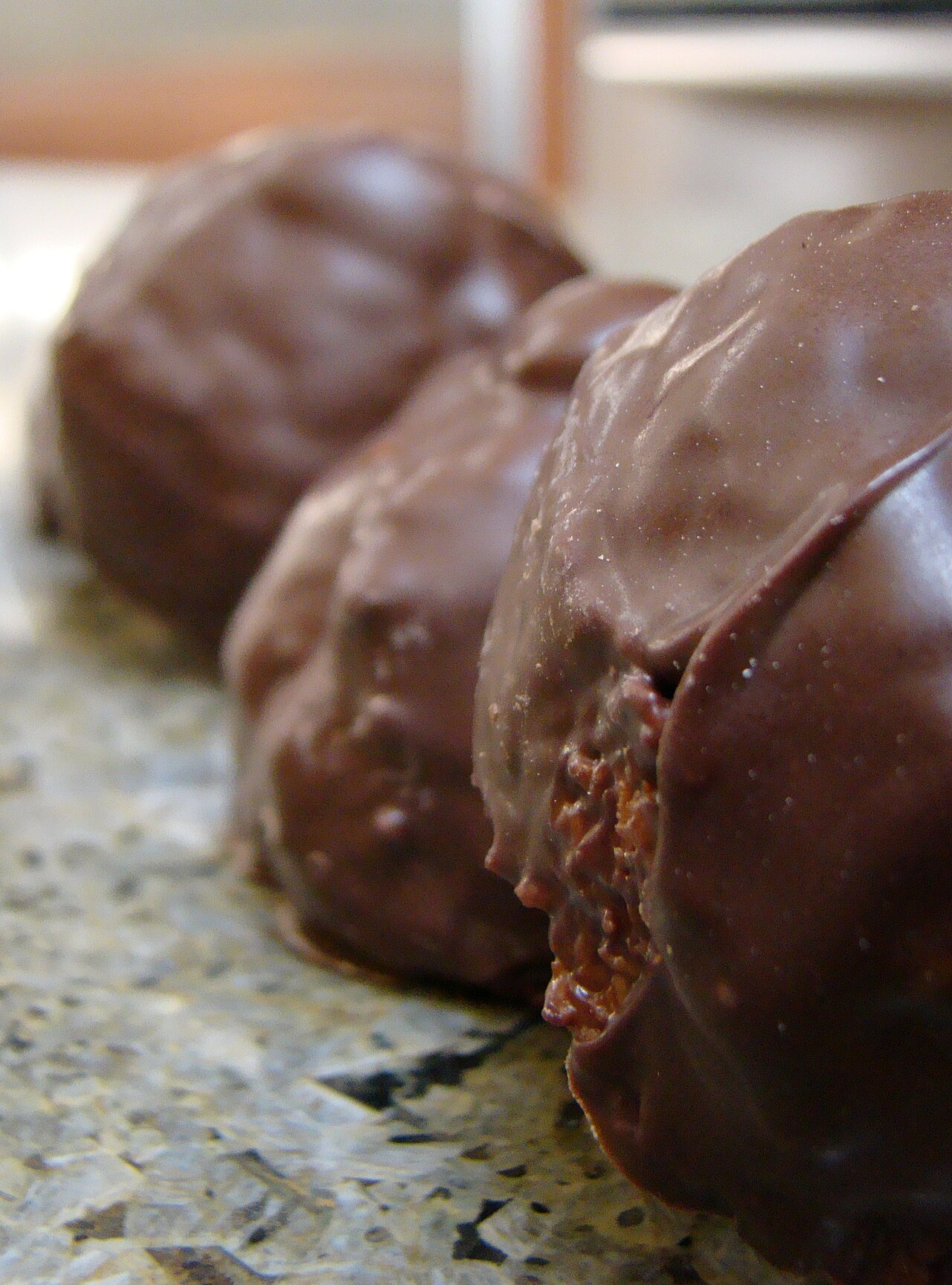
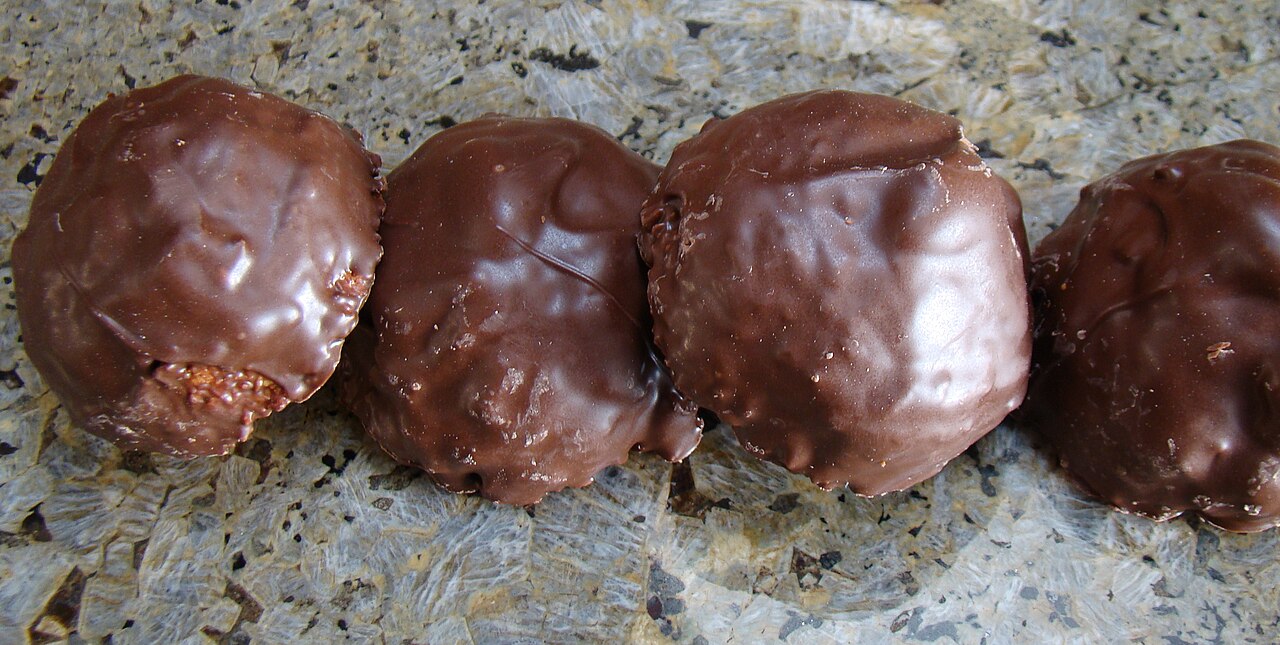
Few confections have been so thoroughly localized as the macaroon. In France, the coconut version is called the Congolais or le rocher à la noix de coco. German bakers shape Mandelhörnchen—almond crescents coated in sliced almonds and chocolate. In India, the towns of Thoothukudi in Tamil Nadu and Mangalore in Karnataka produce cashew-and-egg-white varieties adapted from recipes introduced during the colonial era. Ireland's Wilton Candy has produced a macaroon chocolate bar from County Kildare since 1937. The Netherlands calls its version bitterkoekje and builds entire desserts around it, from bitterkoekjesvla custard to a cocktail liqueur. In the Philippines, coconut macaroons are baked into colorful cupcake wrappers, topped with a raisin, and prized for their crunchy exterior and soft, chewy interior. Romania's walnut-based alcazare sandwiches dense cacao cream between two cookies. Spain's carajito from Salas, Asturias, blends hazelnuts with honey. Scotland's macaroon bar, born from an accident in Coatbridge in 1931 when confectioner John Justice Lees reportedly botched a chocolate fondant and threw coconut over it in frustration, features a dense sugary center wrapped in chocolate and roasted coconut. Even Libya's Abambaer, made with almonds and egg whites, is a staple at weddings.
Dietary Identity and the Kitchen
One of the macaroon's most enduring qualities is what it deliberately leaves out: no flour, no leavening agents, no dairy, no gluten, no cholesterol, and no sulfites. It rises entirely on whipped egg whites, which is precisely why it became a beloved Passover treat among Jewish communities, where leavened bread and wheat flour are set aside for the holiday. The core recipe—ground almonds, egg whites, and sugar—has appeared in printed cookbooks since at least 1725, in Robert Smith's Court Cookery, and was codified in Mrs Beeton's Book of Household Management in 1861. Over the centuries, bakers began folding in coconut, sometimes replacing the almonds entirely, and adding potato starch for extra body. Some modern recipes call for sweetened condensed milk, and a few bakers lay edible rice paper beneath the cookies on the tray. Commercially, a standard macaroon weighs roughly half an ounce, delivers sixty to seventy calories, and contains three to four grams each of saturated fat and added sugar. Because of its egg-white content, it is ovo-vegetarian but not vegan, making it a rare confection that sits at the intersection of dietary restriction and indulgence.
Gallery
Frequently Asked Questions
What is a macaroon in Libyan cuisine?
It is a small baked confection that sits somewhere between a cake and a cookie. In its classic form, the body is built from ground almonds, beaten egg whites, and sugar.
What are the core ingredients of a traditional macaroon?
The foundational trio is ground almonds, egg whites, and sugar. Modern preparations sometimes swap in coconut or other nuts and add fillings such as jam or chocolate.
Where does the word 'macaroon' actually come from?
It travels through the French 'macaron' to the Sicilian 'maccarone,' which is essentially a variant of 'maccherone'—the same root behind our word for macaroni. Some scholars speculate an even older link to medieval Greek terms for barley broth or a funeral chant, though that remains unconfirmed.
When and where did the macaroon first appear?
The earliest documented reference dates to 1533 in Italy, placing its known birth in the sixteenth century. No earlier verified recipe or origin has been identified.
How has the macaroon changed since its earliest known recipe?
While the 1533 Italian version relied on almonds, egg whites, and sugar, contemporary preparations frequently incorporate coconut, other nuts, or flavorings like jam and chocolate. The basic structure as a small baked confection has stayed consistent despite those additions.
More in Libyan cuisine 1-22
Spotted an error? Know more?
This is a living reference — every entry is fact-audited, and reader corrections feed straight into our audit queue. Suggest an edit · See this site's audit record